If your Falls Church home was built decades ago, you don’t need a gut renovation to win buyers’ attention. In today’s photo‑first market, the right small updates can transform how your home looks online and how confident buyers feel during showings. You want practical, high‑return ideas that respect your home’s character and timeline. This guide shows you the highest‑impact, photo‑ready updates for older Falls Church homes, what to stage and shoot, and the permits and safety checks to consider so you list with confidence. Let’s dive in.
Falls Church market snapshot 2026
As of early 2026, Falls Church remains a high‑price, close‑in DC‑area market where presentation and timing strongly influence outcomes. The City’s housing stock skews older, and City records indicate a large share of homes were built before 1960, which often means cosmetic updates plus a few systems items are worth addressing before listing. You can review the City’s year‑built breakdown in its housing documentation for local context. City housing data shows many pre‑1960 homes.
Buyers here pay a location premium but still compare against close‑by comps. That is why targeted, visual upgrades and professional presentation typically outperform oversized renovations. For fiscal context on property values and assessments, the City’s Real Estate Assessment page is a helpful reference. See the City’s Real Estate Assessment resources.
High‑impact, photo‑friendly updates
Curb appeal first photo
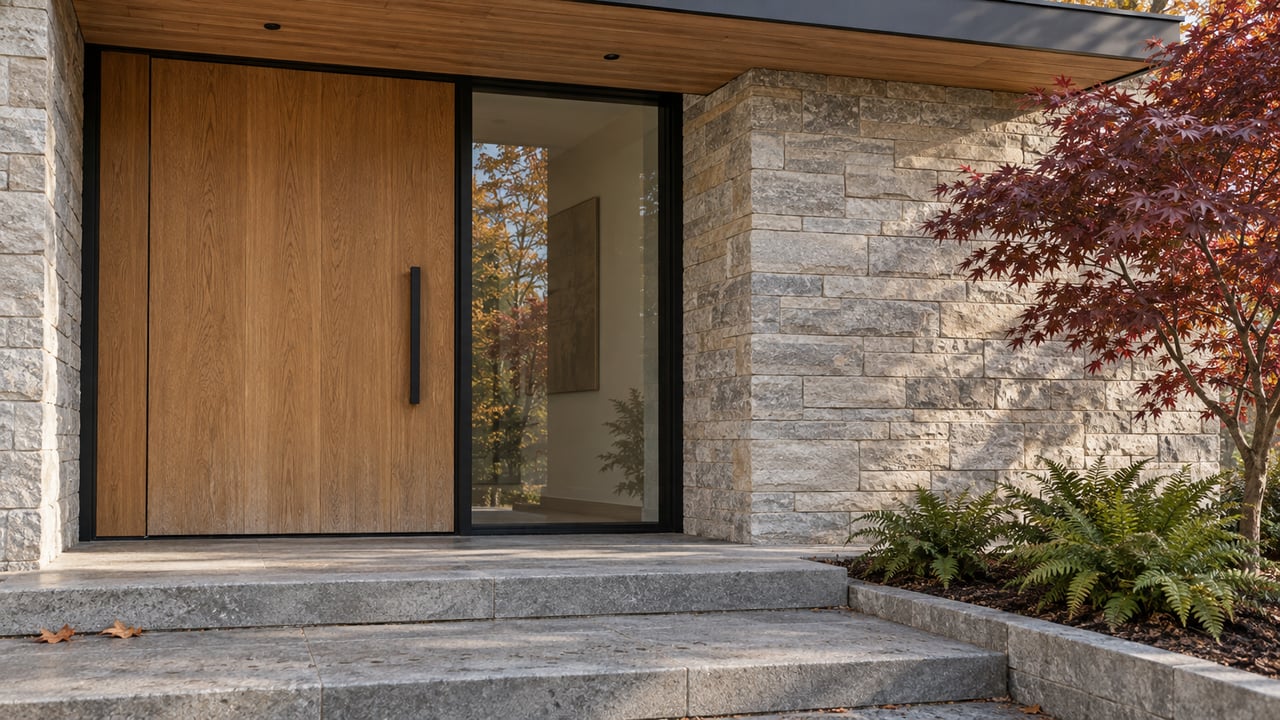
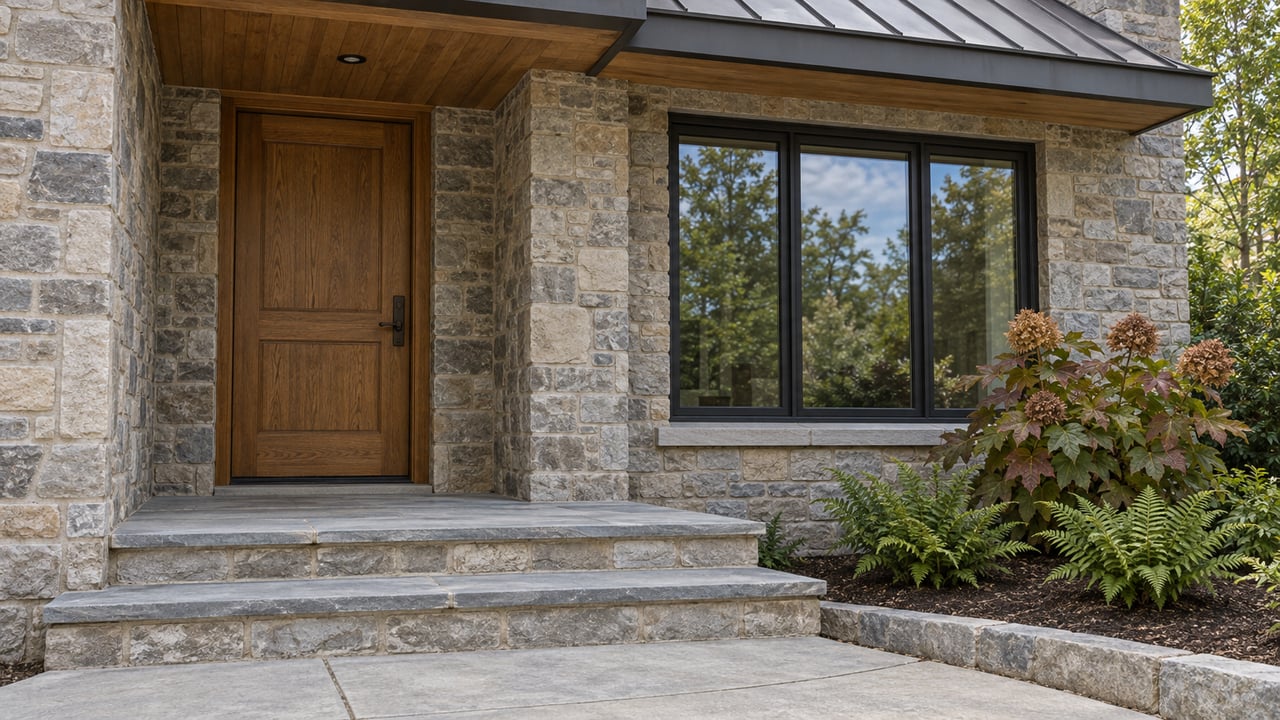
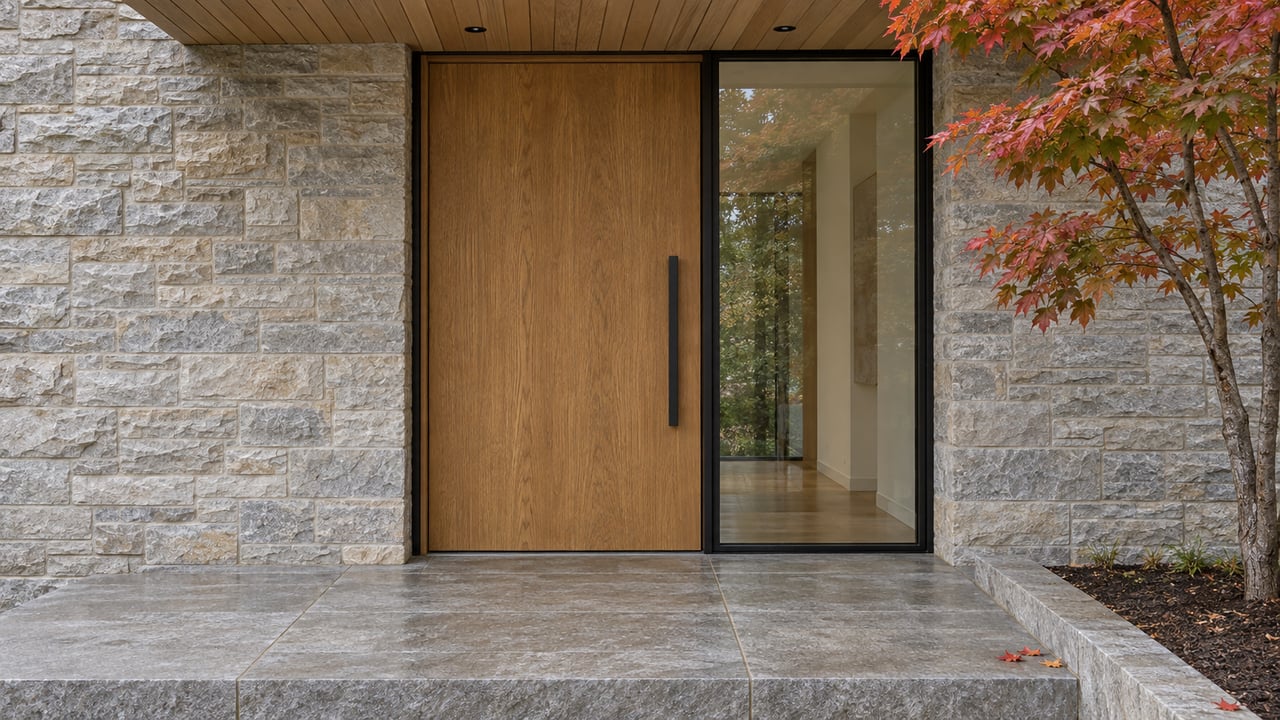
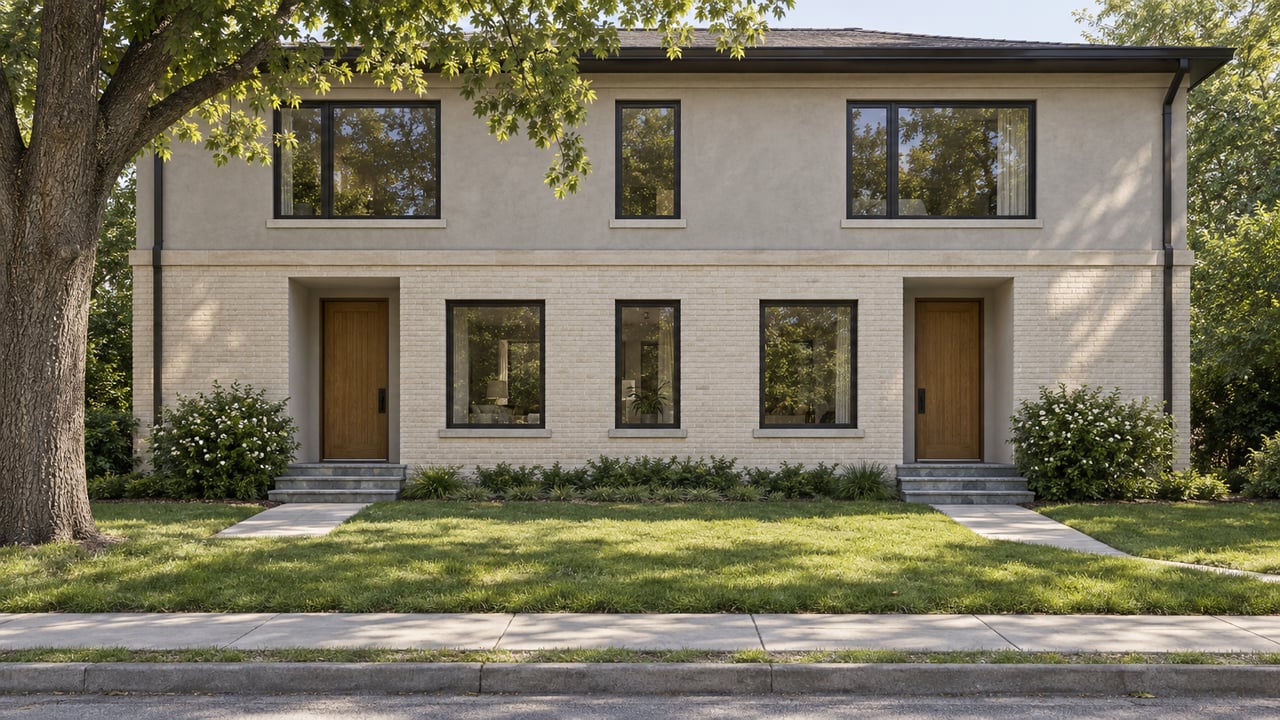
Your cover photo sets the tone. Small exterior fixes punch above their weight in thumbnails and social feeds. Focus on a fresh front‑door color, trimmed landscaping, power‑washed walks and siding, crisp house numbers, and a clean entry or garage door. National Cost vs. Value research repeatedly places exterior projects near the top for cost recovery. Review Cost vs. Value trends.
Practical moves:
- Paint the door in a contrasting, era‑appropriate color.
- Edge beds and prune trees 3–10 days before photos.
- Replace worn mats, mailbox hardware, and doorbell the week of the shoot.
Interior paint and lighting
Neutral, bright walls read beautifully in photos and help older homes feel larger and calmer. Choose warm off‑whites or soft greige, keep trim consistent, and update dated lights with clean, matte finishes to photograph well. NAR research highlights paint, daylighting, and light‑fixture swaps among the most effective first steps. See NAR’s staging priorities.
Practical moves:
- Use one main neutral across living spaces for visual flow.
- Add under‑cabinet lighting and replace yellowed switches and plates.
- Keep window treatments simple to maximize daylight.
Floors and surfaces
Refinished hardwoods or clean, neutral floors telegraph “well‑maintained” at a glance. In many older homes, a careful clean, buff, or selective carpet replacement beats full‑scale flooring changes on cost and time. Cost vs. Value trend data underscores how refreshed, visible surfaces shape buyer perception. Explore ROI patterns.
Practical moves:
- Recoat scratched hardwoods and replace visibly worn carpet in key rooms.
- Choose low‑pattern, mid‑tone rugs that photograph evenly.
- Deep clean grout, caulk edges, and polish metal finishes.
Kitchen refresh
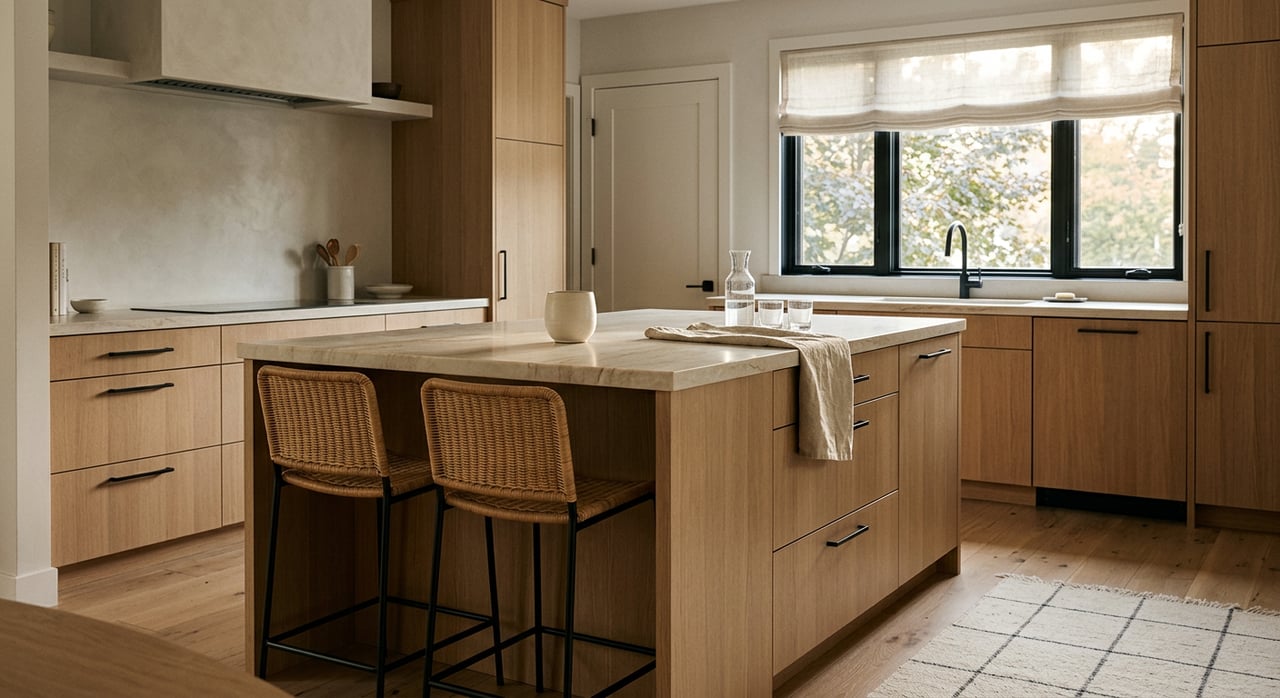
A midrange refresh typically outscores a full luxury remodel for resale unless comps clearly support it. Aim for cabinet paint or refinishing, new hardware, a fresh faucet, a simple backsplash update, better lighting, and either new counters or a quality resurface. These choices deliver a strong photo and a move‑in feel without over‑improving. See Cost vs. Value kitchen trends.
Photo tips from staging research:
- Keep counters clear, with one styled vignette.
- Remove fridge magnets and personal items.
- Use warm bulbs and under‑cabinet lights for even, bright images. NAR’s staging report outlines what buyers notice.
Bathroom refresh
Buyers read clean, bright bathrooms as move‑in ready. You can often skip expensive tile work and still make a big impact with a new vanity or vanity paint, updated faucets, a modern mirror, fresh caulk and grout, and better lighting. Midrange bathroom updates tend to perform well relative to cost. Compare bathroom ROI data.
Visible systems buyers notice
A few quick fixes help your listing photos and inspection conversations. Address obvious drips, sagging gutters, and missing or discolored caulk. Replace a very old thermostat with a modern programmable model and confirm smoke and carbon monoxide detectors are working. National buyer research shows visible, functioning systems support buyer confidence. See NAR’s buyer insights.
Energy incentives to check
Some buyers value energy efficiency, and you may qualify for rebates or tax credits for items like insulation, efficient HVAC, or heat‑pump water heaters. Programs change, so verify current offers before you invest. The DSIRE database is a reliable place to start. Check current incentives on DSIRE.
Simple pre‑listing workflow
Consult your agent and review nearby sold comps to set a target price range and timing plan. In Falls Church, what you choose to update should align with neighborhood benchmarks and your go‑to‑market date.
Build a punch list that prioritizes safety fixes, quick cosmetic repairs, and photo prep. If you expect to do exterior or structural work, review the City’s permit guidance early so you avoid delays. See City permit forms and guidance.
Stage the living room, kitchen/dining, and primary bedroom. NAR finds these rooms carry the most weight with buyers and influence perceived value. Review NAR’s staging findings.
Book professional photos right after staging. Industry analyses link pro photography to more views and, in many markets, faster sales. Consider a twilight front shot or aerials if your lot, roofline, or proximity to parks and commuting routes is a selling point. See data on professional photos.
Staging and photography priorities
- Focus first on the living room, primary bedroom, and kitchen/dining. These images lead online galleries and anchor buyer impressions. NAR’s staging report ranks these rooms highest.
- Create one standout bathroom photo and one image that shows the home’s flow, such as kitchen to dining to living.
- For older or mid‑century homes, highlight period features like built‑ins, hearths, and trim. Pair them with neutral finishes so the character reads as intentional and well cared for. See staging cues in NAR’s report.
When to consult an agent
Before you spend more than about 2 to 4 percent of your expected sale price, or if you are considering structural changes or an addition, talk with a local agent. Pricing strategy, buyer preferences, and recent comps determine which updates pay off in your micro‑market. Agent guidance, supported by buyer research, helps you avoid over‑spending while still elevating your photos and showing experience. NAR’s buyer and seller research underscores the value of targeted preparation.
Permits and safety essentials
Falls Church requires permits for most structural, exterior, and some interior projects. If your home sits in an area subject to architectural or historic review, plan extra time for approvals and prioritize reversible, character‑respecting updates. Always confirm requirements with the City before starting work. Start with the City’s permit page.
Health and safety checks for older homes:
- Lead‑based paint: Homes built before 1978 may contain lead. The EPA’s Renovation, Repair and Painting rule requires certified practices for work that disturbs painted surfaces. Use certified contractors and follow the required disclosures. Read the EPA’s RRP guidance.
- Asbestos: Some older materials, including vermiculite insulation and certain floor tiles or siding, can contain asbestos. Do not remove suspect materials yourself. Test first and use certified abatement or encapsulation if needed. Learn about vermiculite and asbestos considerations and broader asbestos guidance.
- Radon: Elevated radon can appear in any zone. Testing is simple, and mitigation is straightforward if levels are high. Many buyers ask about results, so testing before listing can streamline negotiations. See EPA radon information.
Avoid over‑improving in Falls Church
Use nearby sold comps to calibrate your budget. If most similar homes in your pocket of Falls Church trade below a certain tier, an upscale, highly personalized remodel may not be recouped. Instead, favor cosmetic and systems work that photographs well and boosts buyer confidence. Cost vs. Value data supports midrange and curb projects over upscale custom work.
If you plan bigger projects, consider permitting timelines and contractor availability. To keep momentum, prioritize quick, photo‑ready updates and staging so you can list sooner, then evaluate whether any larger improvements still make sense based on feedback and market response. Review the City’s permit process.
Quick staging and photo checklist
- Declutter, donate, and store off‑site to simplify rooms.
- Deep clean kitchens and baths; re‑caulk and refresh grout.
- Paint main living areas in a warm, neutral tone.
- Update key lights and replace yellowed switches and plates.
- Stage the living room, kitchen/dining, and primary bedroom first. NAR ranks these rooms highest.
- Refresh curb appeal: door paint, landscaping, house numbers, and entry hardware.
- Book professional photography within 48–72 hours of staging. See photo impact data.
A thoughtful, photo‑forward plan lets you showcase your home’s best features, respect its vintage character, and meet buyers where they make decisions: online. If you want a streamlined, design‑first approach backed by market data and professional media, our team can help from punch list to polished launch. Schedule a design‑driven listing consult with Property Collective.
FAQs
What updates add the most value to older Falls Church homes?
- Exterior curb appeal, fresh interior paint and updated lighting, selective flooring refresh, and midrange kitchen or bath updates typically deliver strong, photo‑ready impact relative to cost. See Cost vs. Value trends and NAR staging insights.
Do I need a permit for exterior or structural work in Falls Church?
- Often yes. The City requires permits for most structural, exterior, and some interior projects, and certain properties may need architectural or historic review. Always confirm requirements before you start. Check the City’s permit page.
How should I handle lead paint in a pre‑1978 home before listing?
- Assume lead may be present and follow the EPA’s Renovation, Repair and Painting rule if work disturbs painted surfaces. Hire certified contractors and complete required disclosures. Read EPA RRP guidance.
Is professional staging worth it for Falls Church sellers?
- Yes in many cases. NAR reporting shows staging the living room, kitchen/dining, and primary bedroom can shorten time on market and, in some cases, lift offers. Review NAR’s staging report.
Should I replace windows for energy savings before selling?
- It depends on condition and comps. If windows are in good shape, you may get better returns from visible, photo‑first updates; if they are failing, address the worst units and mention any efficiency upgrades. Check current incentives before investing. See DSIRE for programs.
When should I schedule listing photos during prep?
- Plan photos within 48–72 hours after staging and final cleaning so rooms look their best and curb appeal is fresh. Professional photography can drive more views and faster sales. See industry photo data.