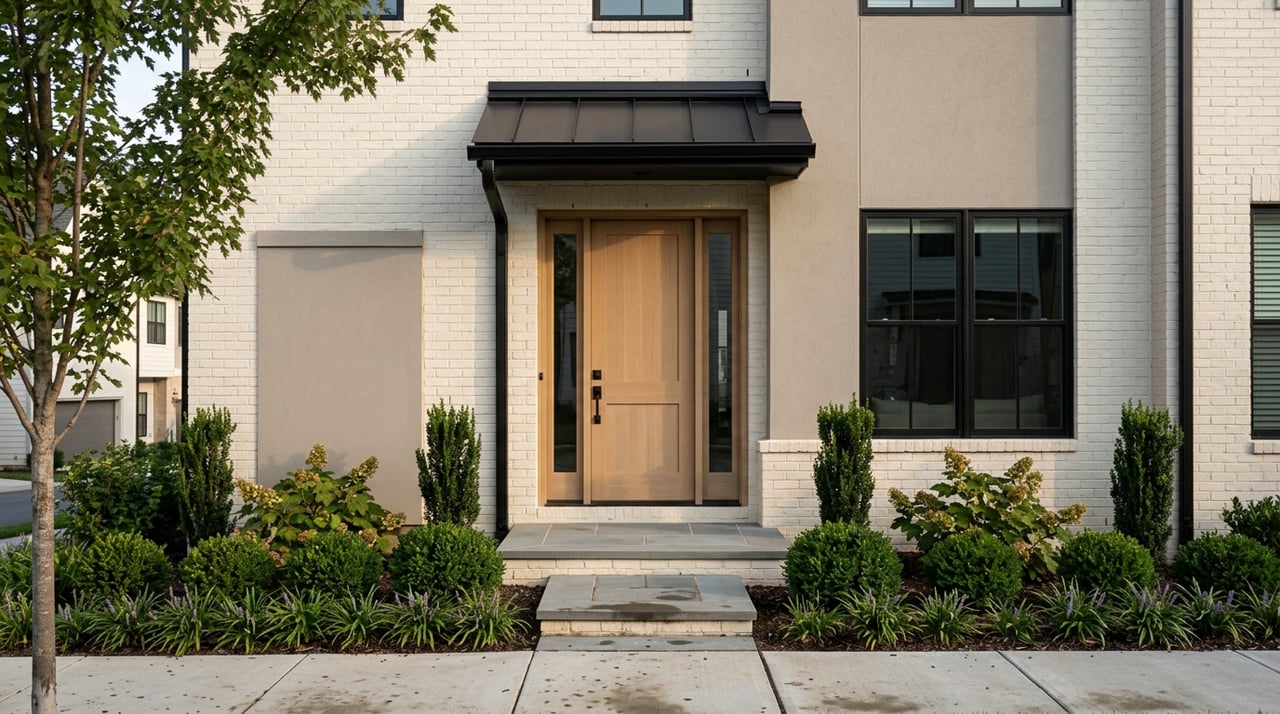
Wondering what people really mean when they talk about Falls Church cottages and bungalows? If you are drawn to older homes with porches, personality, and a strong sense of place, these properties can be especially appealing. Understanding how they fit into Falls Church history, architecture, and today’s market can help you buy or sell with more clarity. Let’s dive in.
Why cottages and bungalows matter in Falls Church
Falls Church did not develop by accident. The city’s history notes that trolley service reached East Falls Church in 1897, electricity arrived in 1898, and early subdivisions followed soon after. Between World War I and World War II, Falls Church grew quickly as a modern community of subdivisions, which helps explain why smaller early homes remain part of the local housing story today.
That history still shapes how the city sees itself. Falls Church planning materials highlight neighborhood character, historic preservation, tree-lined streets, and walkable neighborhoods as core values. In practical terms, cottages and bungalows are not just older houses here. They are part of the visual identity the city says it wants to preserve and enhance.
What defines a bungalow or cottage
The terms cottage and bungalow often overlap, especially in everyday real estate conversations. A cottage usually suggests a smaller, simpler house. A bungalow often points to a cottage-like home with Craftsman-era influence, practical planning, and visible architectural detail.
National Park Service guidance describes a bungalow as a cottage-like dwelling with an informal plan, elevation, and detail. These homes are often one or one-and-a-half stories with a low-pitched gable roof, a large front porch, and simple natural materials. Some also include exposed rafters, low dormers, and an asymmetrical window layout.
Common features you may notice
In Falls Church, these homes often read as compact, porch-forward houses with real street presence. Their appeal usually comes less from sheer size and more from proportion, roofline, craftsmanship, and how the home sits on the lot. That is a big reason buyers who value design often connect with them quickly.
You may notice features like:
- Deep or prominent front porches
- Low-profile rooflines
- One or one-and-a-half story layouts
- Simple exterior materials
- Visible architectural details, such as rafters or trim work
- A cozy scale that feels connected to the yard and street
Why these homes feel so distinctive
Part of the charm is that cottages and bungalows tend to feel approachable. They often create a strong first impression without relying on size alone. In a place like Falls Church, where neighborhood character matters, that kind of scale can stand out in a meaningful way.
These homes also tend to support a more curated way of living. Buyers are often drawn to the craftsmanship, the way natural light moves through smaller rooms, and the design potential that comes with an older footprint. For sellers, those same qualities can become a major part of the home’s story when marketed well.
Renovating a Falls Church cottage or bungalow
Older homes can offer opportunity, but they also come with real planning considerations. Falls Church says most building permits require plans, with review by Zoning first and then Building Safety. If the work involves the exterior, Public Works review also applies.
The city also notes that some simple replacements may not need a permit, while framing work does. That distinction matters because many updates to cottages and bungalows go beyond cosmetic changes. If you are thinking about reworking walls, expanding the footprint, or making structural improvements, the permitting path becomes part of the project from the start.
Setbacks can shape your plans
Small homes on established lots often leave limited room for additions. In Falls Church residential districts, the minimum front yard for new construction and additions is generally based on the average of neighboring front yards. There is also a floor for that requirement, with no front yard less than 30 feet in R-1A and 25 feet in R-1B.
For you, that means growing a house toward the street may not be simple, even if the lot seems to allow it at first glance. Additions often need to be designed carefully around existing yard lines and zoning rules. This is one reason thoughtful pre-planning matters so much with these homes.
Historic status can change the equation
Falls Church has a citywide historic-district overlay. The Historic Architectural Review Board reviews demolition or move requests for protected structures, and the city defines historic structures as residences built during or before 1910 plus any other structure expressly protected by ordinance.
That does not mean every older small house is frozen in time. It does mean age and designation can affect what is possible. If a home falls under local historic rules, renovation decisions may require a more careful balance between modern function and preserving key architectural features.
Preserving character while updating for modern life
Older homes work best when updates respect what makes them special. National Park Service rehabilitation standards say a property should be adapted for a compatible use while preserving the features that convey its historic or architectural value. They also say new additions should not destroy historic materials or the building’s character-defining massing, size, scale, or features.
Falls Church’s preservation plan adds a practical note. The city recognizes that historic properties may require major investment and case-by-case code review so safety improvements do not unduly burden the owner or erase architectural integrity. For buyers and sellers alike, that means good renovation strategy is usually about fit, not just expansion.
Modern flexibility is still possible
Even with these constraints, cottage living in Falls Church is not limited to nostalgia. The city allows accessory dwelling units on the same lot as a single-family home, subject to zoning standards, owner-occupancy requirements, and a ban on short-term rental use.
Depending on the lot and zoning, that can create options for a basement apartment, a small attached addition, or a detached accessory unit. For some homeowners, that flexibility can make a compact main house more functional over time.
The city’s planning history also shows that cottage-scale living still has a place in modern development. The Railroad Cottages project on Railroad Avenue was approved with ten cottage units, a common house, shared open space, and clustered parking. That is a useful reminder that this housing type still resonates in Falls Church today.
How cottages and bungalows fit today’s market
Falls Church remains a competitive housing market. In the latest Redfin snapshot ending May 2026, the city showed a median sale price of $905,458, homes sold in about 31 days, and buyers averaged roughly four offers per home.
That context matters because detached single-family homes are priced much higher than the citywide median. Redfin’s city guide places the median single-family sale price at $1,739,116. That suggests cottages and bungalows can serve as a more compact path into detached-home ownership in Falls Church, even though renovated character homes may still command a premium.
Why character can support value
Falls Church’s preservation plan states that well-preserved historic properties can contribute to increased property values and can help revitalize nearby properties. For you as a buyer, that helps explain why these homes continue to attract attention. For you as a seller, it reinforces the value of thoughtful upkeep and presentation.
This is also where design matters. With smaller homes especially, buyers tend to respond strongly to proportion, craftsmanship, and how clearly the home’s character comes through. When those details are respected and presented well, cottages and bungalows can compete on story and lifestyle, not just square footage.
What buyers should keep in mind
If you are shopping for a Falls Church cottage or bungalow, it helps to look beyond charm alone. A beautiful porch and roofline can win your attention, but the long-term fit often comes down to renovation potential, zoning constraints, and how the existing layout supports your life.
A smart buyer usually considers:
- Whether the home may have historic status or added review requirements
- What kind of addition, if any, the lot might support
- Which updates are cosmetic versus structural
- How the home’s scale compares with your space needs
- Whether an accessory dwelling unit could be an option under local rules
What sellers should keep in mind
If you own one of these homes, your marketing strategy should highlight more than age or curb appeal. The strongest story usually combines architecture, neighborhood context, and the practical value of the property’s condition and improvement potential.
That means showing buyers what makes the home distinctive. Porch presence, rooflines, trim details, lot relationship, and thoughtful updates can all matter. For a cottage or bungalow, presentation is often the difference between a home that simply looks small and a home that feels edited, intentional, and full of character.
The bottom line on Falls Church cottages and bungalows
Falls Church cottages and bungalows are best understood as small-scale, character-rich homes rooted in the city’s early suburban growth. Their appeal comes from design, proportion, and neighborhood fit as much as from utility. And because local zoning, permitting, and preservation rules can shape what happens next, these homes reward buyers and sellers who plan carefully.
If you are considering buying, renovating, or selling a cottage or bungalow in Falls Church, working with a team that understands both market positioning and design potential can make a real difference. To talk through your next move, connect with Property Collective.
FAQs
What is a bungalow in Falls Church?
- In Falls Church, a bungalow generally refers to a small, cottage-like home with features such as a low-pitched roof, front porch, modest scale, and visible architectural detail often associated with Craftsman design.
What is the difference between a cottage and a bungalow in Falls Church?
- In common use, cottage usually means a smaller, simpler house, while bungalow often describes a cottage-like home with more distinct Craftsman-style features and detailing.
Can you add onto a cottage or bungalow in Falls Church?
- Yes, but additions are regulated through the city’s permitting and zoning process, and front-yard setback rules can significantly affect how much expansion is possible.
Do older Falls Church homes have historic restrictions?
- Some do. Falls Church has a citywide historic-district overlay, and historic structures include residences built during or before 1910 plus any others expressly protected by ordinance.
Are cottages and bungalows more affordable in Falls Church?
- They can be a more compact entry into detached-home ownership because the citywide detached single-family median is much higher than the overall city median, though renovated character homes may still sell at a premium.
Can a Falls Church cottage have an accessory dwelling unit?
- In some cases, yes. Falls Church allows accessory dwelling units on the same lot as a single-family home, subject to zoning standards, owner-occupancy rules, and a prohibition on short-term rental use.