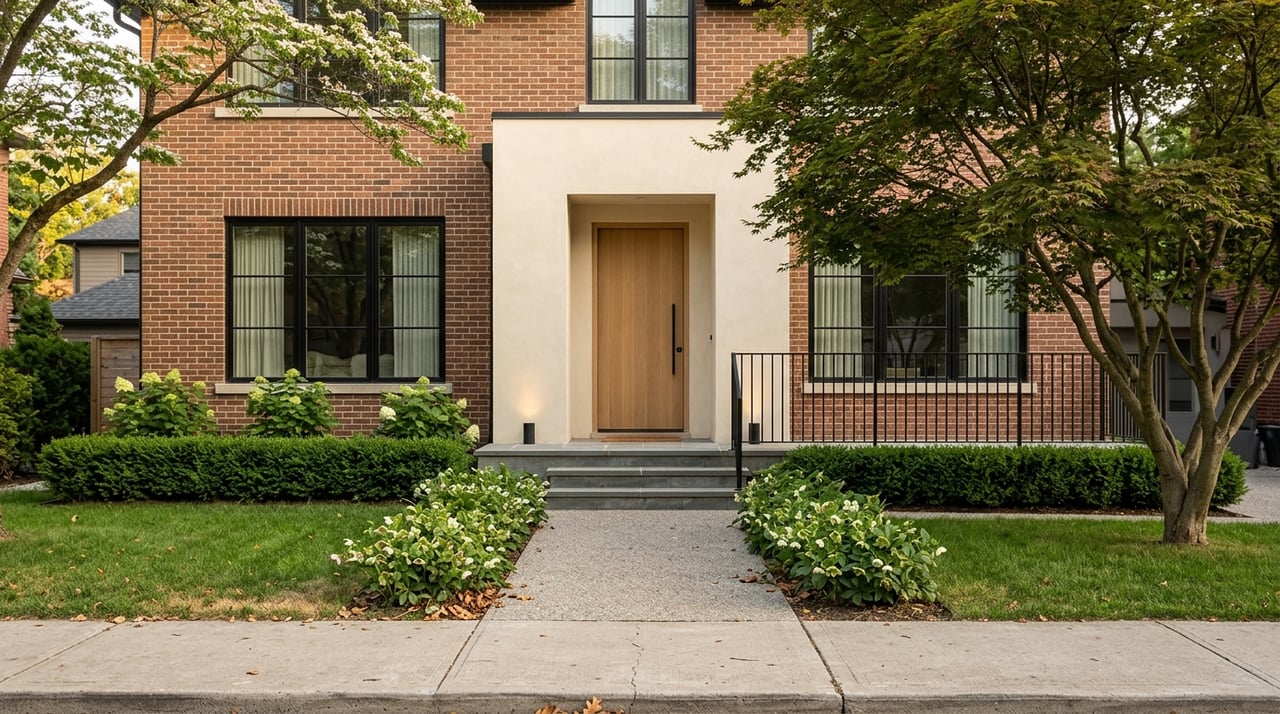
If you are trying to choose between Old Town Herndon and other parts of town, you are really weighing two different ways to live. One side offers historic character, walkability, and a strong sense of place. The other may offer a newer, more planned setting with easier transit routines and contemporary housing options. Understanding those trade-offs can help you focus your search and make a more confident move. Let’s dive in.
Herndon offers more than one lifestyle
Herndon has a broad housing mix, which is part of why so many buyers find it appealing. The town’s community profile shows 8,020 total housing units, including 3,035 detached homes, 2,440 townhomes, and 2,545 apartments and condos. That range gives you more than one path, whether you want a detached house, a lower-maintenance townhome, or a condo closer to activity.
That variety also means Herndon is not a simple historic-versus-suburban story. In addition to its older core, the town has seen infill development and mixed-use change, and it continues to plan for redevelopment around Metro. If you are deciding where to buy, it helps to compare daily experience, not just home style.
Old Town Herndon means character and walkability
Old Town should be thought of as Herndon’s downtown historic core and Historic District Overlay. The Town describes Downtown Herndon as a center with history and heart, along with local shops, restaurants, live music, and the farmers market. Downtown Herndon also has a Walk Score of 91, which supports its reputation as one of the town’s most walkable areas.
For many buyers, that setting is the main draw. You may be able to enjoy a more connected, on-foot routine, with easy access to downtown businesses, events, and public spaces. If your ideal day includes walking to coffee, dinner, or the trail network, Old Town can feel especially compelling.
Why buyers are drawn to Old Town
The biggest advantage is place character. Herndon’s Historic District exists to conserve traditional neighborhoods and older commercial buildings, preserve structures that contribute to historic character, and maintain a community identity distinct from surrounding suburban growth. That gives the area a look and feel that many buyers find hard to replicate elsewhere.
For design-conscious buyers, this often translates into homes and streetscapes with more visual personality. You may find older architectural details, established blocks, and a downtown setting that feels layered over time rather than newly created all at once. That is a meaningful lifestyle benefit if you value charm and context.
The trade-off is more exterior oversight
The same features that preserve Old Town’s character also come with rules. In the Historic District, many exterior changes require review by the Town before work begins through the Architectural Review process and a Certificate of Appropriateness. Common examples include window replacement, siding replacement, roof replacement, additions, accessory buildings, and new houses.
For some buyers, that review process is a fair exchange for a more cohesive historic setting. For others, it may feel restrictive, especially if you want to make quick exterior updates after closing. Before you buy, it is smart to confirm whether the property is inside the Historic District Overlay and whether the structure is classified as contributing or noncontributing.
Older homes can bring maintenance questions
Historic charm can also come with practical considerations. Older homes may raise more questions about systems, materials, and long-term maintenance than newer construction. That does not make them a poor choice, but it does mean you should look closely at inspection findings and future upkeep.
The Town notes that lead service pipes could have been installed in private lines until 1978 and in utility-owned portions until 1988. It also states that homes built before 1987 with copper pipe may have lead solder. If you are considering an older property, plumbing history is one of several details worth reviewing carefully during due diligence.
There may be renovation incentives
If the home is a contributing building in the Historic District, renovation incentives may be part of the conversation. Herndon’s Historic District FAQs note that federal and state tax credits may be available for renovating contributing buildings. That will not apply to every property or project, but it can be relevant if you are buying with preservation-minded updates in mind.
Beyond Old Town offers a newer feel
If Old Town is about heritage and walkability, other parts of Herndon may appeal for different reasons. The town’s planning work around Metro points to a more contemporary development pattern, with mixed uses, transportation connections, open spaces, and potentially higher densities. That future-facing growth is a key part of Herndon’s housing story.
The Herndon Metro Area Plan describes roughly 38 acres north of Herndon Station as a planned mixed-use urban center of redevelopment after Metro opened in 2022. The Transit-Related Growth Area plan also envisions a district with housing, goods and services, office uses, and new connections. For buyers, that can mean a more planned environment with newer housing forms and a transit-oriented rhythm.
Newer areas are not all the same
It is also worth noting that change in Herndon is not limited to the Metro area. The Downtown Herndon Area Plan shows that infill development has already introduced new small-lot residential neighborhoods and a mixed-use project. In other words, the contrast is not just historic core versus everything else.
You may find homes beyond Old Town that still feel connected to town life, but with a different look, lot pattern, or building age. That nuance matters if you want convenience and newer construction without giving up local identity altogether.
Transit can shape your decision
For many buyers, commute patterns help settle the Old Town versus beyond Old Town question. WMATA places Herndon Station at 585-A Herndon Parkway on the Silver Line. The station serves trips to Tysons, DC, Reston, and Maryland, and the Silver Line Extension added a direct connection to Washington Dulles International Airport and eastern Loudoun County.
That can be a major advantage if your routine depends on rail access. WMATA also lists parking for about 3,500 cars in two garages, which supports a park-and-ride lifestyle for many commuters. If you want to drive to transit and keep your daily route simple, areas near the station may deserve a closer look.
Bus access adds flexibility
Local bus routes reinforce that network. Fairfax Connector shows Route 950 as all-day service between Herndon Metro and Reston Town Center Metro. Route 921 serves as a local circulator in Herndon, and Route 924 connects NOVA Loudoun Campus and Franklin Farm Road by way of Herndon Metro.
That means your home search does not have to be framed only around driving or only around rail. Depending on where you live, bus access may add flexibility for work, errands, or connections to other parts of the region. When comparing homes, it helps to ask not just how far a property is from Metro, but also how it fits into the full local transit network.
Outdoor access matters too
Lifestyle in Herndon is not only about downtown or commuting. The Town says Herndon has been recognized as a Bicycle Friendly Community at the Bronze level, and its trail network includes the W&OD Trail, Folly Lick Trail, and Sugarland Run Trail. Those trails support commuting, recreation, local trips, and access to Metrorail.
The Town also notes that Herndon has eleven neighborhood parks. That gives buyers another way to think about location. You may care less about being in the historic core itself and more about being close to trails, parks, or bike connections that support your everyday routine.
How to choose what fits you best
A practical way to decide is to be honest about what you value most. Old Town generally rewards buyers who care deeply about character, foot traffic, and a preserved setting, even if that comes with exterior review requirements and the realities of older housing. Newer-growth areas and infill corridors may reward buyers who want a more contemporary, planned environment with easier transit access and fewer age-related unknowns.
Neither option is better across the board. The right choice depends on how you want your home to function in daily life, what kind of environment feels most natural to you, and how much flexibility you want for future changes. In Herndon, small location differences can shape your experience in a big way.
If you are weighing these trade-offs, it helps to look beyond the listing photos. A thoughtful home search should consider design restrictions, transportation patterns, maintenance questions, and the kind of neighborhood setting that will still feel right after the excitement of closing day. That is where local guidance can make a real difference.
Whether you are drawn to the charm of Old Town or the convenience of newer parts of Herndon, Property Collective can help you compare options with a clear eye for lifestyle, design potential, and long-term fit.
FAQs
What makes Old Town Herndon different from other parts of Herndon?
- Old Town Herndon is the town’s historic downtown core and Historic District Overlay, known for walkability, local shops, restaurants, events, and preserved historic character.
What should buyers know about Historic District rules in Old Town Herndon?
- In the Historic District, many exterior changes require Town review and a Certificate of Appropriateness before work begins, including common projects like windows, siding, roofs, additions, and accessory buildings.
What does contributing or noncontributing mean in Herndon’s Historic District?
- The Town classifies structures in the Historic District as contributing or noncontributing based on whether they add to the district’s historic character and period of significance.
What maintenance issues should buyers check in older Herndon homes?
- Buyers should pay close attention to inspection items and plumbing history, since the Town notes that older properties may have lead service pipes or lead solder depending on age and materials.
How does Herndon Metro affect housing choices in Herndon?
- Homes near Herndon Station may appeal if you want Silver Line access to Tysons, DC, Reston, Maryland, Dulles Airport, and eastern Loudoun County, plus garage parking and bus connections.
What transit routes matter when comparing Herndon neighborhoods?
- Key options include Herndon Metro, Fairfax Connector Route 950 between Herndon Metro and Reston Town Center Metro, Route 921 within Herndon, and Route 924 through Herndon Metro.
What lifestyle features beyond downtown should buyers consider in Herndon?
- Buyers may want to compare access to the W&OD Trail, Folly Lick Trail, Sugarland Run Trail, and the town’s eleven neighborhood parks, depending on how they like to commute or spend free time.