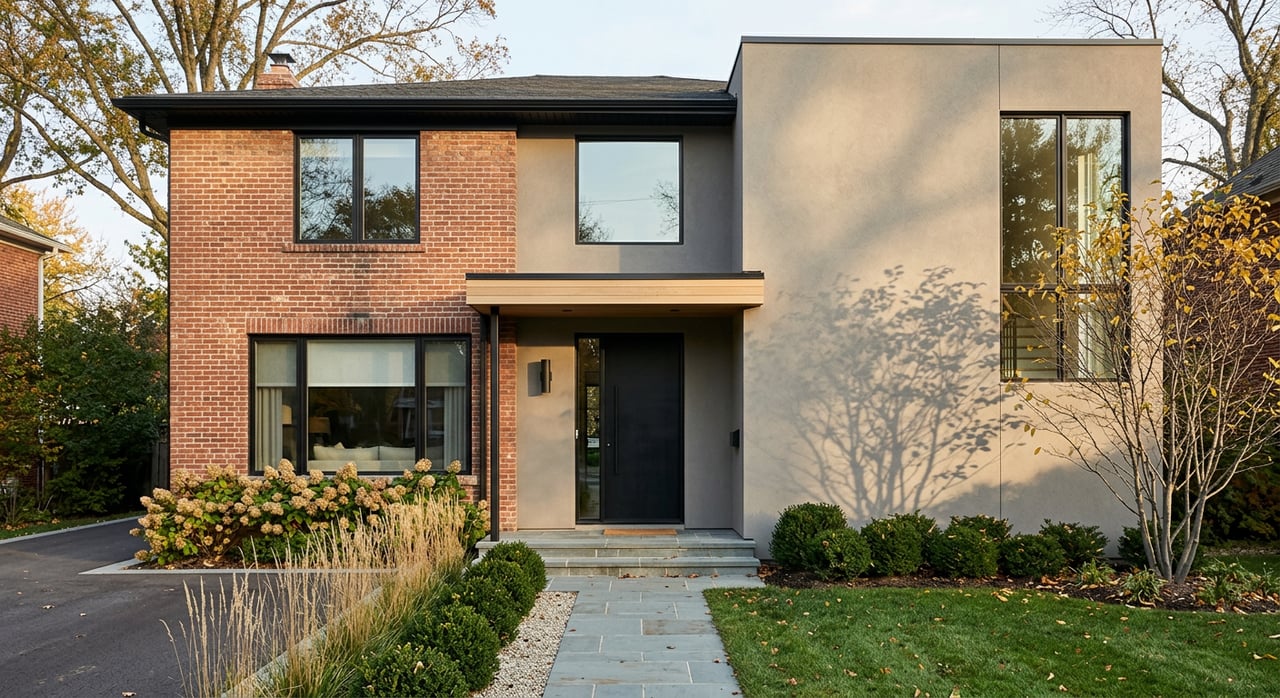
Eyeing a shiny new build in Ashburn or a character‑rich resale nearby? Both paths can work well in Northern Virginia, but the right choice depends on your timing, budget, and appetite for customization. In this guide, you’ll learn how new construction and resale homes in Ashburn stack up on price, timelines, inspections and warranties, HOAs, and financing. You’ll also get a practical checklist you can use on tours. Let’s dive in.
Ashburn market at a glance
Ashburn sits in a Northern Virginia market that is rebalancing in 2026. Regional forecasters expect modest price growth with inventory improving from pandemic lows, which means conditions are competitive but more measured than 2020 to 2021. You can see this context in the 2026 NVAR market forecast.
Local snapshots in early 2026 show relatively short days on market for well‑priced Loudoun County listings, a sign that demand remains steady. For a current pulse, review the Loudoun market snapshot before you tour.
Transit access is another driver. With the Silver Line now reaching Ashburn, stations like Loudoun Gateway and Ashburn increase long‑term appeal for both new communities near transit and established neighborhoods within a short drive. Learn more about the extension on WMATA’s Silver Line overview.
Price and total cost of ownership
New construction typically carries a per‑square‑foot premium over older resales. You are paying for current‑code construction, modern layouts, energy‑efficient systems, and often community amenities. That premium varies by builder, community, and the number of upgrades selected. To see active builder offerings and base specifications, browse Ashburn area communities on NewHomeSource.
Beyond list price, compare recurring and one‑time costs:
- Property taxes. Loudoun’s adopted FY2026 real property tax rate is published in the county budget. Factor the rate into any payment estimate because assessments and the tax rate impact annual carrying costs. See the county’s FY2026 budget summary for details: Loudoun County Executive Summary.
- Closing and transfer taxes. In Virginia, state recordation and grantor taxes apply to most real estate transfers. These are predictable line items you should include in cost comparisons between new and resale. Reference guidance from the Virginia Tax Commissioner’s rulings: Virginia Tax ruling on recordation and grantor taxes.
- Maintenance and utilities. New homes often have lower near‑term maintenance needs and more efficient HVAC and insulation. Older homes may require early capital items like a roof or HVAC replacement. National remodeling research shows small to midscale updates often recoup a higher share of cost than large luxury projects, which can help you plan realistic improvements if you buy resale. Explore summaries at NAR’s Remodeling resources.
Customization: design center or renovate later
If you want a move‑in‑ready design that reflects your taste, new construction offers a fast path. Builders let you choose floor plans, finishes, and option packages within a structured process and timeline. You can preview what is typically included versus upgraded on NewHomeSource’s Ashburn community pages.
Keep two points in mind:
- Builder markups and warranties. Options at the design center can cost more than hiring a contractor later. On the flip side, factory‑installed options are usually covered by the builder’s warranty, while after‑closing work is not. Ask for itemized upgrade pricing and warranty coverage in writing.
- Renovation ROI. If you buy a resale with solid bones, selective projects can stretch your dollars. Data summarized by the National Association of REALTORS shows that modest curb‑appeal updates and minor kitchen refreshes often recoup a higher percentage than full luxury overhauls. Review ideas at NAR’s Remodeling resources.
Timeline and move‑in speed
- New construction. Production builders commonly target a single‑digit month timeline from contract to completion, depending on permitting and weather. Your selections, change orders, and municipal inspections can add time. If you need to move soon, ask about move‑in‑ready inventory.
- Resale homes. With conventional financing, a resale can often close in about 30 to 45 days after contract, subject to your lender and title company. Days on market vary by price band, so track current metrics with the Loudoun market snapshot when you start touring.
Inspections, punch lists, and warranties
Independent inspections make a real difference in both paths.
- New construction stage checks. Hire an inspector for pre‑drywall and final walkthroughs to catch issues before walls close and before settlement. Schedule an 11‑month warranty inspection to document items before the builder’s workmanship coverage expires. Industry checklists and timing are outlined in this guide to new construction inspections.
- New‑home warranty basics. Many builders provide a “1‑2‑10” style program: about 1 year for workmanship and materials, 2 years for distribution systems, and up to 10 years for major structural defects. Ask who backs the warranty, how to file claims, and whether coverage is transferable. For a plain‑English overview, see 2‑10’s new‑home warranty page. Always read the actual warranty booklet for exact terms.
- Resale inspections. Order a general home inspection plus any specialty tests your inspector recommends. For homes built before 1978, federal law requires a lead‑based paint disclosure. Use findings to negotiate repairs or credits.
Financing and appraisal differences
- Construction loans. Building from the ground up can involve a construction loan or a single‑close construction‑to‑permanent loan. These loans use draw schedules, interest‑only payments during construction, and a conversion to permanent financing at completion. Learn how lenders disclose and handle these loans via CFPB guidance on construction‑to‑perm.
- Appraisals. New builds sometimes face appraisal risk when there are few recent comparable sales. Appraisers may look to competing neighborhoods or builder records. If your deal involves a rate buydown or closing incentives, talk with your lender early so your pre‑approval and appraisal strategy reflect those terms.
HOAs and master‑planned communities
Ashburn includes established neighborhoods and newer master‑planned communities such as Brambleton, Broadlands, and One Loudoun. Newer communities often feature pools, trails, and clubhouses, which can raise HOA dues but keep major capital projects limited in the early years. Older HOAs may have lower dues but could be closer to reserve milestones. Either way, request the resale or disclosure packet and review the budget, reserve study, recent meeting minutes, and community rules. Verify parking, rental, and pet policies that matter to your household.
Which fits your goals
Use these prompts to match your situation to the right path:
- Choose new construction if you want modern layouts, prefer turnkey systems with a structured warranty, value design center convenience, and can accept a longer build timeline.
- Choose resale if you need a faster move, want a larger lot or mature streetscape, prefer to prioritize location over finishes, and you are open to targeted renovations with strong ROI potential.
- Either path works if you evaluate total cost carefully, keep financing timelines organized, and approach HOA documents and inspections with the same rigor.
Your Ashburn buyer checklist
Use this checklist when you tour. Save it to your phone and bring it to appointments.
Touring model homes and meeting a builder
- Ask for an itemized list of what is included versus an upgrade for your floor plan. Review design‑center options and pricing before signing. You can preview typical offerings on NewHomeSource.
- Confirm the delivery timeline, the written change‑order process, and how the builder communicates delays.
- Request written warranty documents. Clarify duration, whether coverage is insurer‑backed or builder‑backed, transferability, and the claims process. A general overview is available at 2‑10’s new‑home warranty page.
- Verify HOA structure and dues. Ask when the HOA will turn over from developer to homeowners and whether a reserve study exists. Treat any online dues figures as estimates until confirmed in the disclosure packet.
- Confirm any lot premium, plus site specifics like grading, drainage, and easements.
Touring resale homes
- Request the Virginia seller’s property disclosure, plus repair receipts and service records for roof, HVAC, and appliances.
- Order a full home inspection and follow any specialty testing your inspector recommends. For examples of timing and scope on new‑build inspections that can also inform your resale approach, review this inspection guide.
- If the home predates 1978, expect a lead‑based paint disclosure. Ask your agent about recommended steps if you plan renovations after closing.
- Request the HOA resale packet and review budget, reserve study, rules and regulations, and any notices about special assessments or litigation.
Shared items for both paths
- Financing. Get pre‑approved early and share details on builder incentives or seller credits with your lender. If your purchase involves construction, discuss whether a construction‑to‑perm loan applies and how draw inspections work. See CFPB guidance for how these loans are structured.
- Inspections. Schedule the right milestones: pre‑drywall and final for new builds, general inspection for resales, and an 11‑month warranty inspection for new homes. A quick primer is here: new construction inspections.
- Total cost review. Estimate property taxes using Loudoun County’s adopted FY2026 rate and the home’s assessed value, then add HOA dues, insurance, near‑term maintenance, and expected utilities. Start with the county’s budget summary: Loudoun County Executive Summary. For transfer costs at closing, review Virginia recordation and grantor taxes.
The bottom line for Ashburn buyers
There is no one‑size‑fits‑all answer. New construction gives you current systems, a clean warranty framework, and curated finishes. Resales can offer faster timelines, established settings, and the chance to direct your budget toward the updates that matter most to you. In a market that is steady but less frenetic than a few years ago, a clear plan and disciplined due diligence will put you in a strong position to buy well.
If you want a local partner who blends data, process, and design sense, connect with the team at Property Collective. We help you compare communities, read HOA and warranty documents, pressure‑test budgets, and negotiate the details that protect your move.
FAQs
What is driving housing demand in Ashburn in 2026?
- Regional forecasts point to modest price growth and improving inventory, and the Silver Line’s Ashburn stations support long‑term demand for both new communities and nearby resales.
Do new builds in Ashburn usually cost more than resales?
- Often yes on a per‑square‑foot basis due to modern systems and amenities, but the premium varies by builder, community, and upgrade choices, so compare total cost over five years.
How fast can I move into a resale versus a new build?
- Many resales can close in about 30 to 45 days with conventional financing, while production new builds often require several months from contract to completion.
What inspections should I order for a new construction home?
- Schedule pre‑drywall and final inspections, then an 11‑month warranty inspection to document items before coverage expires, in addition to standard municipal inspections.
What does a 1‑2‑10 new‑home warranty usually cover?
- About 1 year for workmanship and materials, 2 years for distribution systems, and up to 10 years for major structural defects, subject to the written warranty booklet.