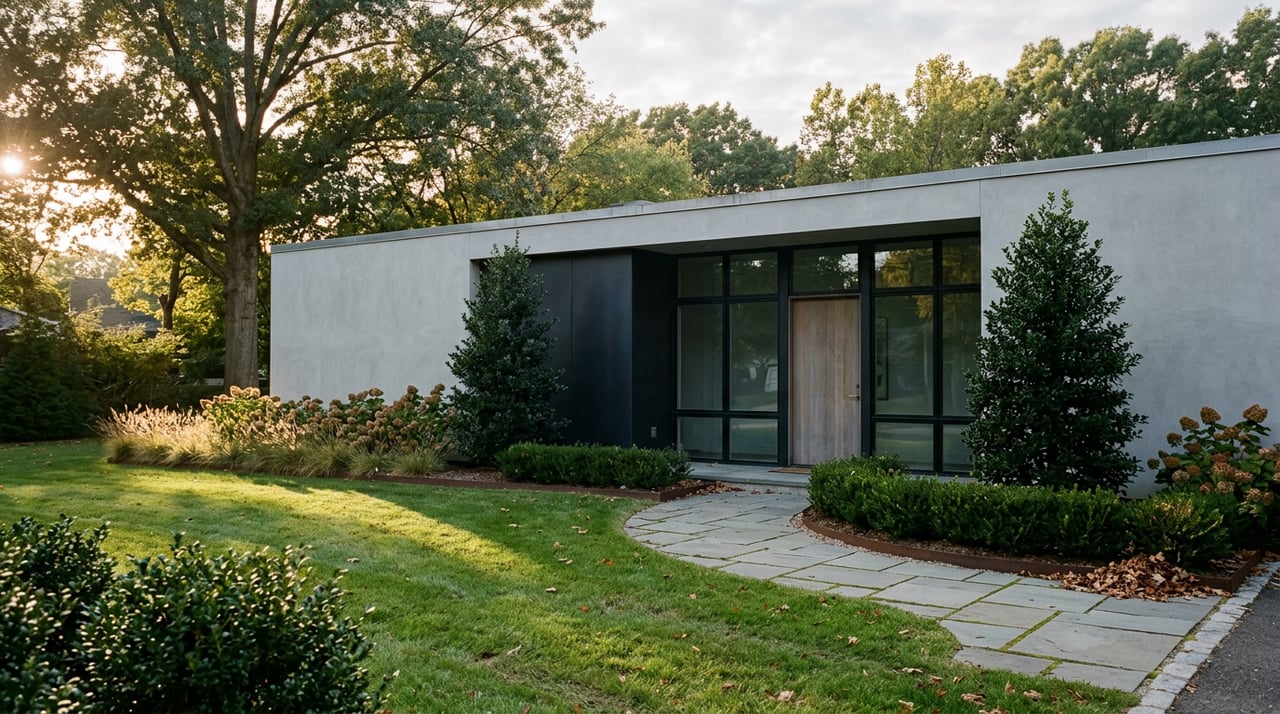
Thinking about selling your luxury home in McLean and wondering what the process really looks like? You want a plan that safeguards your privacy, showcases your property’s design and acreage, and delivers a strong result without wasted time. In this guide, you’ll learn what to expect from prep and pricing to marketing, showings, negotiation, and closing in Fairfax County’s top tier. Let’s dive in.
McLean luxury market at a glance
Luxury in McLean is a local benchmark, usually the top tier of Fairfax County sales where estate lots, architect-designed homes, or renovated high-end properties define the segment. Price per square foot tells only part of the story. Land, privacy, finish quality, and proximity to Tysons and D.C. tend to drive value.
Buyer pools are diverse. You will see executives, federal contractors, diplomatic and relocating buyers, downsizers who want turnkey finishes, and both cash and jumbo-financed purchasers. Inventory at the top end is typically tight, yet unique homes can take longer to sell when the market cools.
Seasonality matters. Spring, especially April through June, is historically the strongest listing window in the D.C. suburbs. Winter months are quieter, which can influence your timing and strategy.
What buyers want in McLean
Buyers focus on lot size, privacy, thoughtful landscaping, and outdoor living spaces that feel like an extension of the home. They value high-end systems and finishes, well-designed kitchens and primary suites, and smart-home and security features. Commute access to Tysons, D.C., and regional transit is important, as is proximity to Fairfax County schools without making qualitative claims.
Many high-end buyers want move-in ready homes. Elevated, neutral design and meticulous maintenance signal quality and reduce friction during inspections and appraisal.
Pre-list preparation that pays
Start with systems and safety. Schedule servicing for HVAC, inspect roofs and gutters, address electrical or plumbing issues, and verify septic or well systems if applicable. Buyers and inspectors will scrutinize these items, so handling them up front reduces surprises.
Targeted cosmetic investments can have outsized impact. Consider a kitchen or primary-bath refresh, hardwood refinishing, high-quality paint and millwork touch-ups, updated lighting, and outdoor living or hardscape enhancements. Large structural renovations may not return full cost at sale, while strategic updates often boost marketability and perceived value.
Document everything. Gather warranties, permits, surveys, and appliance manuals, and consider a pre-list inspection to uncover issues early. This often supports smoother negotiations later.
Designer staging that sells
Staging for luxury is about presenting scale, flow, and lifestyle. Options include full professional staging, partial staging of key rooms like the kitchen, dining, living, and primary suite, and virtual staging for vacant or unusual spaces. Use a neutral but elevated palette, proportioned artwork, layered lighting, curated textiles, and furniture scaled to show volume and function.
Outdoor areas deserve equal attention. Style terraces, pools, and covered spaces to communicate year-round usability and privacy. Industry research indicates staging can reduce days on market and improve perceived value, especially when the presentation is cohesive and high quality.
Visual assets that elevate
Your media package should be best in class. Plan for high-resolution interior and exterior photography, twilight shots, drone aerials for estate settings, floor plans, and a 3D or video tour. A bespoke property microsite or premium brochure can reinforce the narrative and help buyers visualize the lifestyle.
Editing to correct perspective and lighting is standard. Avoid any changes that could misrepresent condition or features.
Pricing strategy for unique homes
Precise valuation at the top end requires more than price per square foot. Your Comparative Market Analysis should include recent sales of truly comparable properties and consider lot size, finish level, renovation recency, architectural significance, and amenities. In thin segments, widen the comp search to nearby high-end enclaves while adjusting for location differences.
Decide how you want to position the price. A precise price can attract the right buyers quickly, while premium pricing can anchor perception when the home’s uniqueness supports it. In a luxury market with fewer comps, the correct price usually matters more than an aggressive underpricing tactic.
Marketing that reaches real buyers
You want exposure where qualified buyers actually look. Expect distribution across Bright MLS and high-end broker networks that reach national and international audiences. Complement this with targeted digital advertising, geo-fenced campaigns, and professional outreach to relocation departments and curated buyer lists.
Offline strategies still matter. Printed luxury brochures, direct mail to likely move-up buyers, and invite-only previews can create urgency and connection. Private showings and agent-to-agent network outreach often surface motivated, discreet buyers.
Budget and deliverables to expect
High-end listings typically include defined marketing budgets for staging, photography, video, drone, paid social, and premium print. Ask your agent for sample campaigns, audience targeting plans, and expected metrics such as impressions and inquiry volume. Request examples of closed results for similar properties to validate approach.
Showings, offers, and negotiation
For privacy, most luxury homes show by appointment only with buyer prequalification or proof of funds. You can set clear showing windows, require advance notice, and use agent vetting to control access. High-profile sellers may prefer private or off-hours showings.
Offer structures vary. Cash offers are often strongest, while jumbo-financed offers include appraisal and underwriting timelines. Expect inspection contingencies and occasional leasebacks or flexible closings to support your move.
Appraisals can be challenging for unique homes. You can request appraisal gap assurances, require buyer cash coverage, or prepare a robust comps package to support your contract price. A pre-list inspection can reduce repair renegotiations and build buyer confidence.
Timeline, closing, and costs
Prep and launch often take 2 to 8 weeks, depending on repairs, staging, and media production. Time on market varies by price and season. Once under contract, plan 30 to 60 days to close, with cash deals typically faster and jumbo loans taking longer for underwriting.
In Virginia, closings commonly use title companies or attorneys, plus standard title insurance and recording fees. Your seller costs may include brokerage commissions, closing fees, staging and marketing expenses, prorated taxes and HOA dues, and any negotiated concessions.
For taxes, the federal primary-residence exclusion may apply, yet many luxury sales exceed those thresholds. Discuss capital gains planning and any 1031 exchange considerations with your tax advisor, and confirm Fairfax County transfer and recordation fees with your settlement agent.
Privacy and security essentials
Before photos and showings, remove valuables, sensitive documents, and personally identifying items. Use smart-home security and consider temporary on-site personnel during private tours if needed. If discretion is critical, a limited public listing or controlled “coming soon” period can build qualified interest without unnecessary exposure.
Your McLean seller checklist
- Hire a local luxury specialist and request a tailored CMA and marketing plan.
- Service systems and complete targeted repairs for HVAC, roof, gutters, pools, and chimneys.
- Refresh high-impact spaces, update lighting, and enhance landscaping for curb appeal.
- Implement professional staging, then schedule photography, video, 3D, drone, and twilight shots.
- Gather surveys, warranties, permits, manuals, HOA documents, and any inspection reports.
- Decide on showing protocol and privacy measures, including vetting and appointment rules.
- Align on a pricing strategy and contingency plan for future adjustments if needed.
How Property Collective helps
Selling at the top end is equal parts presentation and precision. With in-house, designer-led staging and a design-forward approach, Property Collective curates a cohesive look that highlights architecture, scale, and outdoor living. The team pairs that aesthetic with metrics-driven execution, including premium photography and video, targeted paid social, and enterprise-grade coordination that keeps your sale on track.
You get boutique attention and Northern Virginia neighborhood expertise, plus a clear plan for buyer vetting, privacy, and negotiation. When data, design, and disciplined process work together, you position your McLean property for a faster sale and a stronger outcome. Ready to talk strategy? Schedule a Call with Property Collective.
FAQs
What defines a luxury home in McLean?
- In McLean, luxury typically means the top tier of Fairfax County sales where estate lots, architect-designed or extensively renovated homes, and premium finishes set the bar, which is best verified with recent Bright MLS and NVAR data.
When is the best time to list in McLean?
- Spring, especially April through June, is historically the strongest window for higher-priced homes in the D.C. suburbs, while winter is generally slower.
How long does a luxury sale usually take?
- Marketing periods can be longer than mainstream listings, and once under contract, most closings take about 30 to 60 days, with cash deals often faster and jumbo loans slower.
How can I reduce appraisal risk on a unique home?
- Ask for appraisal gap coverage or proof of funds, prepare a strong comps package, and consider a pre-list inspection to support value and reduce renegotiations.
Do I need full professional staging?
- Full or partial staging is common for luxury and typically reduces days on market while boosting perceived value, with virtual staging as a useful supplement for vacant or unusual spaces.
What documents should I gather before listing?
- Compile HOA documents, covenants and restrictions, surveys, warranties, permits, manuals, and any inspection reports to streamline disclosures and buyer due diligence.