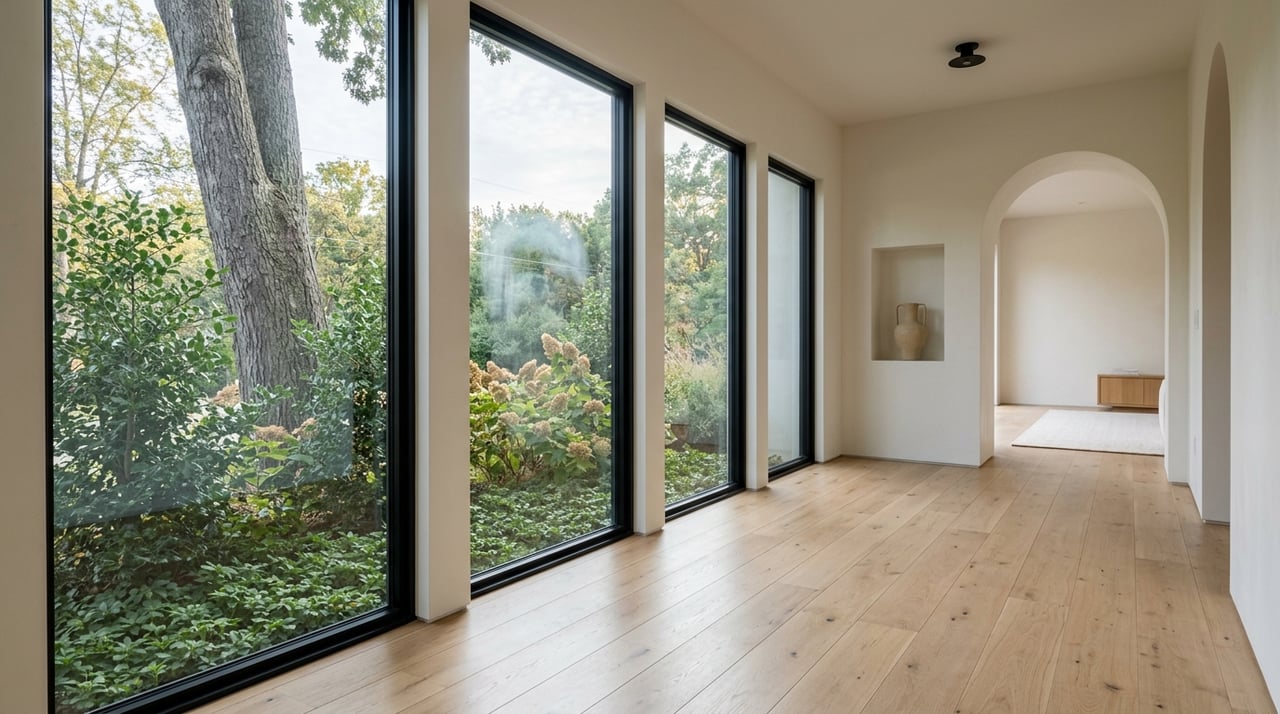
If you are selling an estate property in Great Falls, you are not just putting a house on the market. You are preparing a large, often highly customized asset that buyers will judge as a complete experience, from the driveway and tree canopy to the floor plan and systems behind the walls. That can feel like a lot to manage, especially if the property is inherited or has been in the family for years. This guide will walk you through what matters most in Great Falls so you can plan ahead, avoid common issues, and launch with confidence. Let’s dive in.
Why Great Falls estate sales are different
Great Falls is a unique market within Northern Virginia. Fairfax County describes the area as low-density and semi-rural, with large-lot residential development, open space, parkland, and mature trees. In practical terms, that means buyers are evaluating the land, privacy, setting, and outdoor condition just as closely as they evaluate the home itself.
The pricing context also matters. Redfin reports a median sale price of $1,908,358 in Great Falls for the three months ending May 2026, with homes averaging 35 days on market and a 99.3% sale-to-list ratio. At the same time, 37.6% of homes sold above list price while 26.1% had price drops, which tells you strong homes can still perform well, but the market rewards thoughtful pricing and polished presentation.
This is also a narrower buyer pool than the broader regional market. NVAR reported a Northern Virginia median sold price of $810,000 in June 2026, with 1.98 months of supply and active listings up 12.1% year over year. Great Falls sits in a much higher price tier, so your strategy needs to be tailored to luxury buyers rather than built around countywide averages.
Start months ahead, not weeks
For many estate properties in Great Falls, the pre-listing timeline is measured in months. Larger homes often need more than cosmetic updates. You may need to coordinate landscaping, deferred maintenance, staging, photography, and system checks before the property is ready for the market.
That longer runway is especially important because Great Falls properties often involve acreage, mature trees, long driveways, and site-specific features. Fairfax County’s planning framework emphasizes protection of streams, steep slopes, wetlands, and valuable treescapes in parts of the area. Even straightforward exterior work can require more planning than it would in a typical subdivision setting.
If you wait until the last minute, you can end up making rushed decisions on repairs, pricing, or launch timing. A more deliberate plan usually creates a cleaner listing, a stronger first impression, and fewer surprises once buyers begin their due diligence.
Handle legal authority early
If the home is part of an inherited estate, confirm who has the authority to sell before you do anything else. In Virginia, that question can depend on how title passed, whether there is a will, and whether the person signing has the legal power to enter into a listing agreement and contract.
Fairfax Circuit Court explains that when there is a will, the named executor records the will in the probate jurisdiction, and if the will does not specifically direct a sale, Virginia statutes generally do not require qualification because the real estate passes to the beneficiary after recording. That does not mean every estate sale follows the same path, so verifying the estate’s probate posture early is critical.
This step matters because it affects timing, signatures, disclosures, and closing coordination. Getting clarity up front helps avoid delays later, especially once you have an interested buyer and a settlement date to meet.
Check well, septic, and site conditions
Estate properties in Great Falls are more likely than standard suburban homes to have private well or septic systems. If your property has either one, treat those items as major pre-listing priorities rather than afterthoughts.
Fairfax County’s Health Department says septic tanks on covered systems should be pumped at least once every five years. The county also notes that alternative onsite systems are inspected annually and sampled every five years, and that homeowners on private wells should test water annually. It also offers a For Sale Evaluation inspection for well systems when a property is being sold.
These records can shape buyer confidence. When you can show recent maintenance, testing, or inspection documentation, you reduce uncertainty and help buyers feel more comfortable moving forward.
You should also look closely at property-specific land issues that can affect value or marketability. Fairfax County highlights floodplain status, dam-break inundation zones, conservation easements, and Resource Protection Area concerns as important due diligence items. On a Great Falls estate property, those details are not minor footnotes. They can directly affect a buyer’s decision-making.
Prepare older homes for disclosure needs
Some Great Falls homes are older custom residences, which means age-related disclosures may be part of the sale process. If the home was built before 1978, federal lead-based paint disclosure rules may apply.
According to the EPA, sellers of most pre-1978 housing must disclose known lead-based paint or hazard information, provide available records or reports, include the required warning statement, and give buyers an opportunity for lead inspection or risk assessment. If this applies to your property, gather records early so the disclosure process feels organized rather than reactive.
Even when buyers love a home, incomplete paperwork can slow momentum. A well-prepared file signals professionalism and reduces friction once an offer is in hand.
Focus staging on scale and flow
Large homes need a different staging strategy than smaller homes. The goal is not to fill space. The goal is to help buyers understand how the home lives, how rooms connect, and how the scale feels in real life.
NAR’s 2025 Profile of Home Staging found that 83% of buyers’ agents said staging helped buyers visualize the property as a future home. It also found that 29% said staging increased the dollar value offered by 1% to 10%, and 49% of sellers’ agents observed reduced time on market.
In Great Falls, that often means prioritizing the spaces with the biggest emotional and visual impact:
- Living room
- Kitchen
- Primary bedroom
- Foyer
- Main entertaining areas
- Home office
- Guest suite
- Finished lower level
- Terrace or pool area
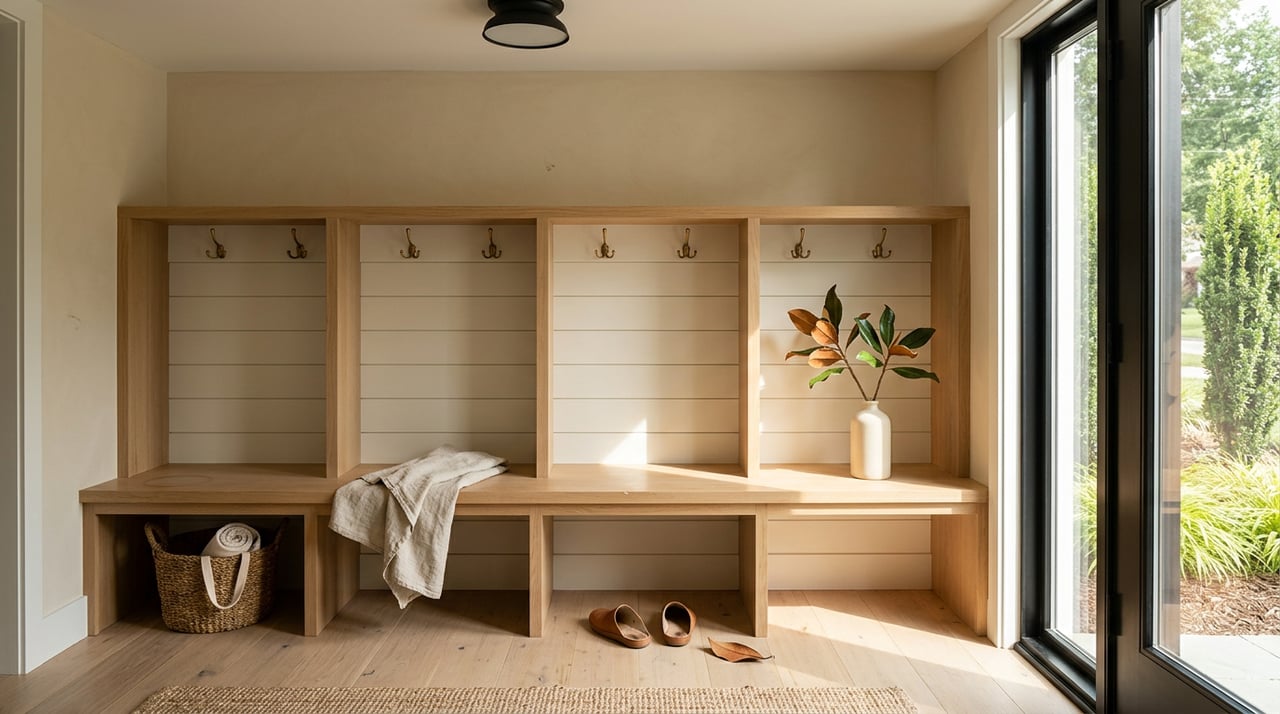
The most effective presentation usually simplifies rather than adds. Clean sightlines, lighter visual weight, and intentional furniture placement help a large home feel elegant and livable instead of overwhelming.
Elevate curb appeal beyond the front door
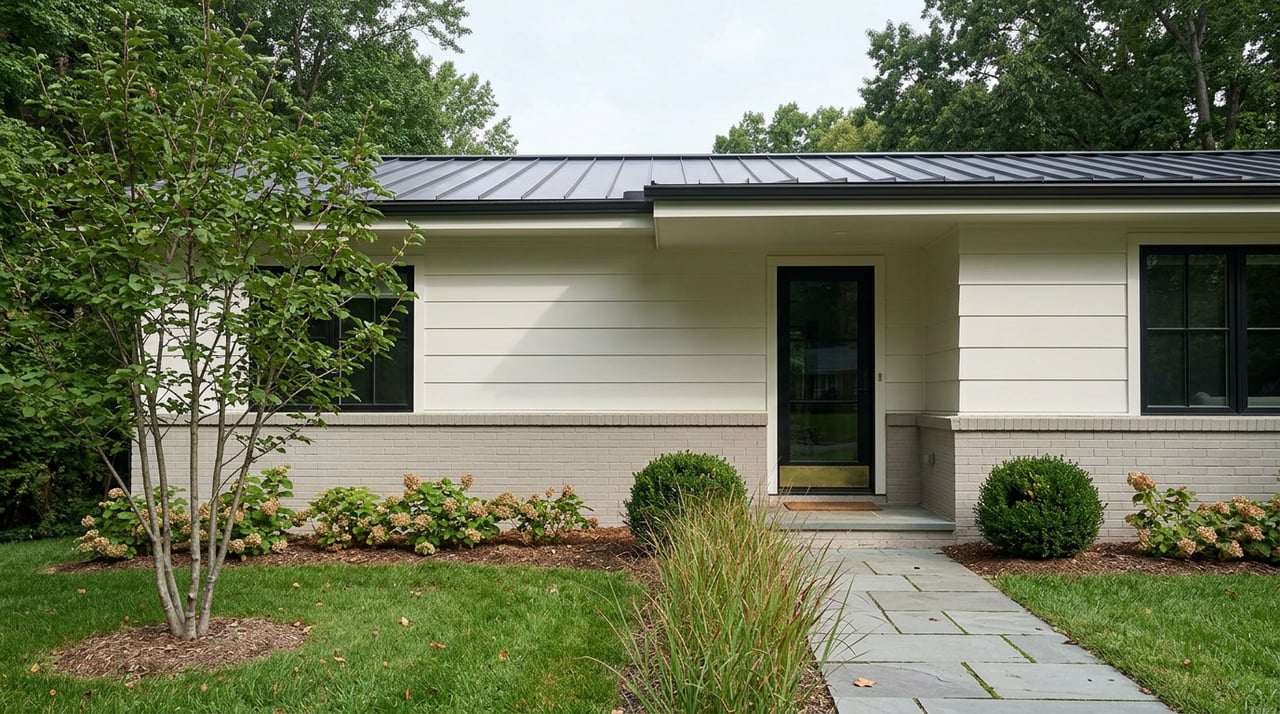
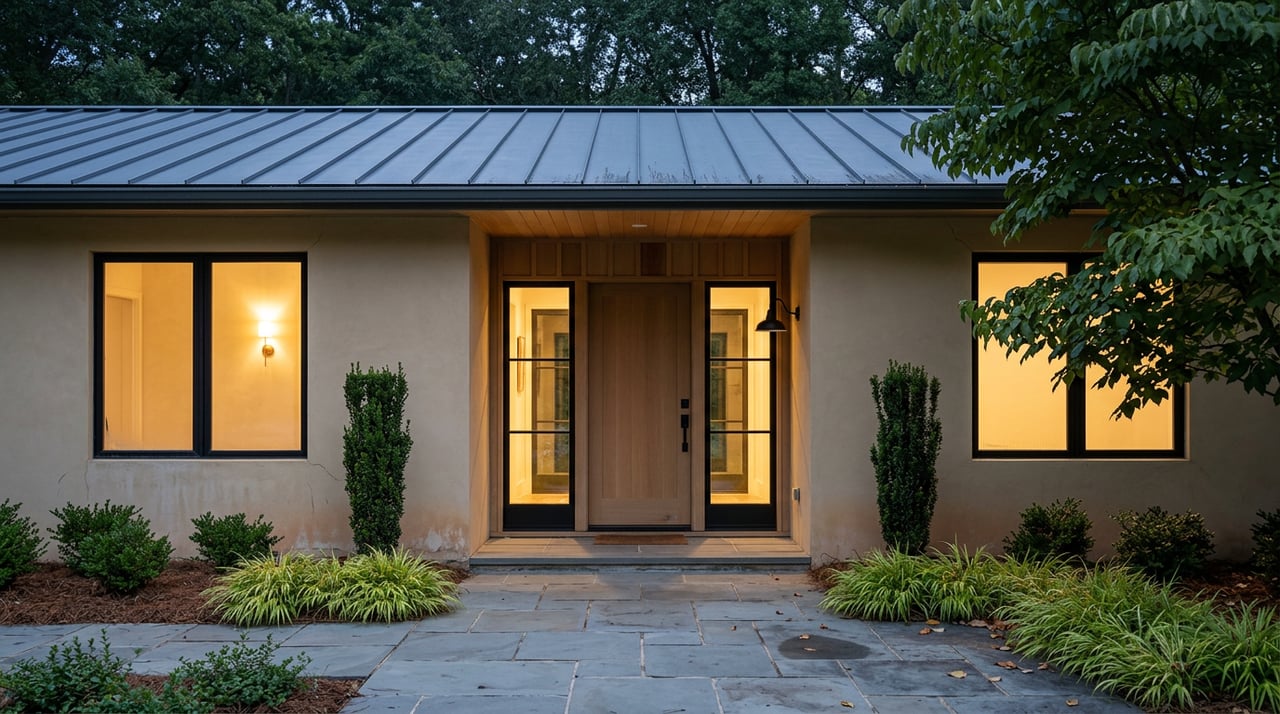
On an estate property, curb appeal starts well before a buyer reaches the entry. In Great Falls, first impressions often begin at the road, continue through the driveway approach, and build as buyers take in the lawn, trees, hardscape, and facade.
That matters because the setting is part of the product. Decluttering, deep cleaning, and curb appeal improvements remain core recommendations in staging research, and they carry even more weight on large-lot properties where exterior presentation sets the tone for the entire showing.
For many sellers, the highest-impact prep work includes pruning, mulch refresh, driveway cleanup, exterior touch-ups, and simplifying overly busy outdoor areas. Buyers should see a property that feels maintained, intentional, and easy to understand.
Market the listing like a media launch
Luxury buyers usually start online, and Great Falls is no exception. NAR’s 2024 Generational Trends report says the first step in the home search process is looking online for properties, and photos are the most useful website feature for nearly nine in 10 buyers age 58 and under.
That is why a Great Falls estate listing should be launched as a polished media package, not treated as a basic MLS upload. The strongest approach typically includes professional photography, video, virtual tours, and floor plans arranged in a clear sequence that helps buyers grasp the home before they ever schedule a showing.
For estate properties, this matters even more because buyers may be comparing custom homes with very different layouts, lot features, and levels of finish. Better media creates clarity, and clarity creates stronger interest.
Price with discipline
Pricing an estate property in Great Falls is part data and part judgment. You need comparable sales, but you also need to account for lot quality, privacy, condition, customization, and how the home shows relative to competing listings.
The local numbers tell a useful story. Homes in Great Falls averaged 35 days on market in the reported period, and more than a quarter had price drops. That suggests the market can reward well-positioned listings, but it can also push back when a home enters the market at a number that is not supported by condition or buyer perception.
A disciplined launch price is especially important for one-of-a-kind properties. The stronger your pricing at day one, the better your odds of creating early momentum and avoiding a stale listing arc.
Highlight flexible living spaces
Today’s buyers often want homes that can adapt over time. NAR’s 2024 trends report found that many buyers were looking for a larger home, and 17% of purchases were multigenerational households, the highest share NAR had recorded at that point.
For a Great Falls estate home, that means flexible spaces should be clearly presented in marketing and during showings. A guest suite, home office, finished lower level, or separate-use room can all help buyers imagine how the property fits their needs.
The key is to describe rooms by function and flexibility, not by assumptions about who will live there. That keeps the marketing useful, factual, and easy for buyers to apply to their own lifestyle.
Coordinate every step to closing
Estate sales often succeed or stall based on coordination. Once the home is listed, there are many moving parts to keep aligned, including repairs, vendor scheduling, staging, photography, disclosures, well or septic documentation, showing feedback, pricing strategy, and settlement timelines.
If the property is part of a decedent’s estate, closing coordination may also need to match probate authority and estate documentation. That is one reason these sales benefit from a structured, hands-on process rather than a simple list-it-and-wait approach.
In a market like Great Falls, details matter. The smoother the preparation and execution, the more likely you are to protect value, reduce friction, and keep buyers engaged from launch through closing.
Selling an estate property in Great Falls takes more planning than a typical resale, but it can also create a strong result when the home is prepared and positioned well. If you want a design-forward, locally grounded strategy for your sale, Property Collective can help you plan the process from prep through market launch.
FAQs
How early should you start selling an estate property in Great Falls?
- For many Great Falls estate homes, you should start months in advance because prep often includes landscaping, systems checks, staging, disclosures, and media planning in addition to cosmetic updates.
Do well and septic systems matter when selling a Great Falls home?
- Yes. On properties with private well or septic systems, buyers often look closely at maintenance, testing, and inspection records, so it helps to gather that information before listing.
What site issues should you review before listing a Great Falls estate property?
- Common due diligence items include floodplain status, dam-break inundation zones, conservation easements, and Resource Protection Area concerns, since these can affect buyer confidence and property use.
Can you sell an inherited home in Great Falls right away?
- Sometimes, but you should first confirm who has legal authority to sell based on the will, title, and probate status of the estate.
What rooms matter most when staging a large Great Falls home?
- The highest-priority spaces are usually the living room, kitchen, primary bedroom, foyer, and other key entertaining or flexible-use areas that help buyers understand scale and flow.
Why is pricing so important for estate properties in Great Falls?
- Great Falls has a strong luxury market, but it also has a narrower buyer pool, and the share of price drops shows that even high-end buyers respond to value, presentation, and realistic positioning.