What if you could live minutes from roaring waterfalls, winding trails, and acres of tree cover, yet still reach Tysons or DC for work and dining? If you’re weighing a move to Great Falls, you likely want space, privacy, and access to the outdoors without losing touch with the region’s job centers. This guide breaks down daily life in Great Falls so you can picture weekends on the river, understand commute realities, and know what kinds of luxury homes you will find. Let’s dive in.
Great Falls at a glance
Great Falls sits along the Potomac River in northwest Fairfax County. You’ll find a suburban to rural feel with large lots, mature trees, and low residential density. The area centers on small commercial nodes like Great Falls Village Center for everyday needs, with larger shopping and professional services in Tysons, Reston, McLean, and Sterling.
Families often choose Great Falls for space, access to parks, and local community groups. The area is served by Fairfax County Public Schools. Exact school assignments vary by address, so verify your address with the FCPS boundary locator before you buy. You can check your assignment using the Fairfax County Public Schools boundary tool.
- Verify school boundaries: FCPS boundary locator
Parks and river access
Outdoor recreation is a hallmark of life here. From scenic overlooks to calm paddling stretches, the Potomac corridor is your backyard.
Great Falls Park
Great Falls Park is the signature natural landmark. Managed by the National Park Service, it offers dramatic views of the falls, hiking, and river overlooks. The park typically charges an entrance fee and sees heavy visitation on weekends and holidays. Check current conditions and fees before you go.
- Park info and fees: National Park Service – Great Falls Park
Riverbend Park
Just upstream, Riverbend Park offers family-friendly trails, picnic areas, fishing, and canoe and kayak put-ins on calmer water. It is a go-to for easy river access and weekend walks.
- Trails and put-ins: Fairfax County Park Authority – Riverbend Park
Scott’s Run Nature Preserve
Scott’s Run features wooded trails, rocky outcrops, and direct river access. It is a protected natural area, so you should stay on marked paths and follow posted guidance to protect sensitive habitats.
- Preserve details and maps: Fairfax County Park Authority – Scott’s Run Nature Preserve
Potomac Heritage Trail connections
Segments of the Potomac Heritage National Scenic Trail run through and near Great Falls, connecting local parks to a broader regional network. If you enjoy longer rides or hikes, you can plan routes that link multiple parks and river overlooks.
- Trail system overview: Potomac Heritage National Scenic Trail
Peak-time tips
Local parks are very popular from spring through fall. Parking often fills on weekends and holidays. You will enjoy quieter trails if you go early in the morning or on weekdays. Residents often plan spur-of-the-moment visits when traffic is lighter.
Riverfront and floodplain basics
If you are eyeing river-adjacent property, get familiar with floodplain designations and shoreline rules. Riverfront parcels can carry additional setbacks, permitting steps, and insurance considerations. Start by checking FEMA flood maps and plan to confirm elevation certificates during due diligence.
- Check flood zones: FEMA Flood Map Service Center
Recreational boating on the Potomac near Great Falls requires care. The rapids at the falls are technical and regulated. Most casual paddlers use the calmer stretches at Riverbend or areas upstream and downstream of the falls rather than the rapids themselves.
Daily commuting from Great Falls
Great Falls is a car-first community. Most residents drive to work or drive to a transit hub, then ride rail. Commute times vary by exact address and time of day, so plan a few test runs.
Driving to Tysons, DC, and Dulles
To Tysons, common routes use VA-7 (Leesburg Pike), VA-193 (Georgetown Pike), and connections to I-495. Peak drive times often range from about 20 to 45 minutes, depending on your start point and traffic. To downtown DC, routes typically use I-495, the George Washington Memorial Parkway and Chain Bridge corridors, or VA-267. Peak trips often take about 35 minutes to over an hour in heavy traffic. Access to Dulles and western hubs usually runs via VA-267 or Route 7.
Congestion is concentrated on the Beltway, VA-7, and approaches to Tysons and Chain Bridge. Hybrid schedules help some commuters, but peak periods still see variability day to day.
Metro, VRE, and Connector options
There are no Metro stations in Great Falls. Many residents drive to Silver Line stations in Tysons or to the Vienna/Fairfax–GMU station on the Orange Line. Park-and-ride facilities make this a practical option for some commutes.
- System maps and schedules: WMATA Metrorail and bus
Virginia Railway Express serves other parts of Northern Virginia and runs to DC on commuter schedules. Some Great Falls residents prefer VRE for predictable rail service if stations are convenient to their route.
- Commuter rail to DC: Virginia Railway Express
Fairfax Connector offers limited routes in northern Fairfax County, and some employers operate peak-hour shuttles. Check employer commuter benefits, since parking and transit subsidies can shift your best option.
- Local bus service: Fairfax Connector
Test-your-commute checklist
Use this quick plan to validate your daily travel before you buy:
- Drive at your target arrival time to Tysons and to a DC address you visit often.
- Repeat the trip leaving 30 minutes earlier and later to feel the range.
- Test the drive to your preferred Metro station and park-and-ride lot.
- Time the full rail journey door to door, including parking, walking, and transfers.
- Check employer shuttles, parking availability, and commuter benefits.
Luxury home styles and lots
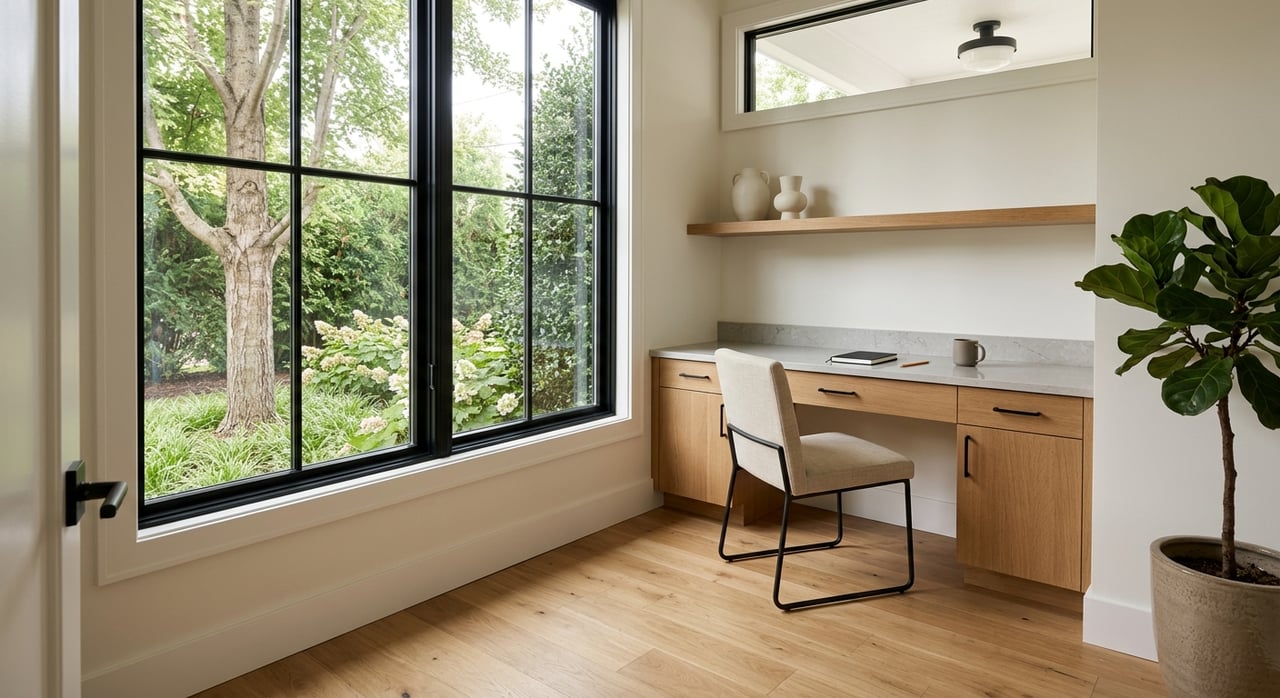
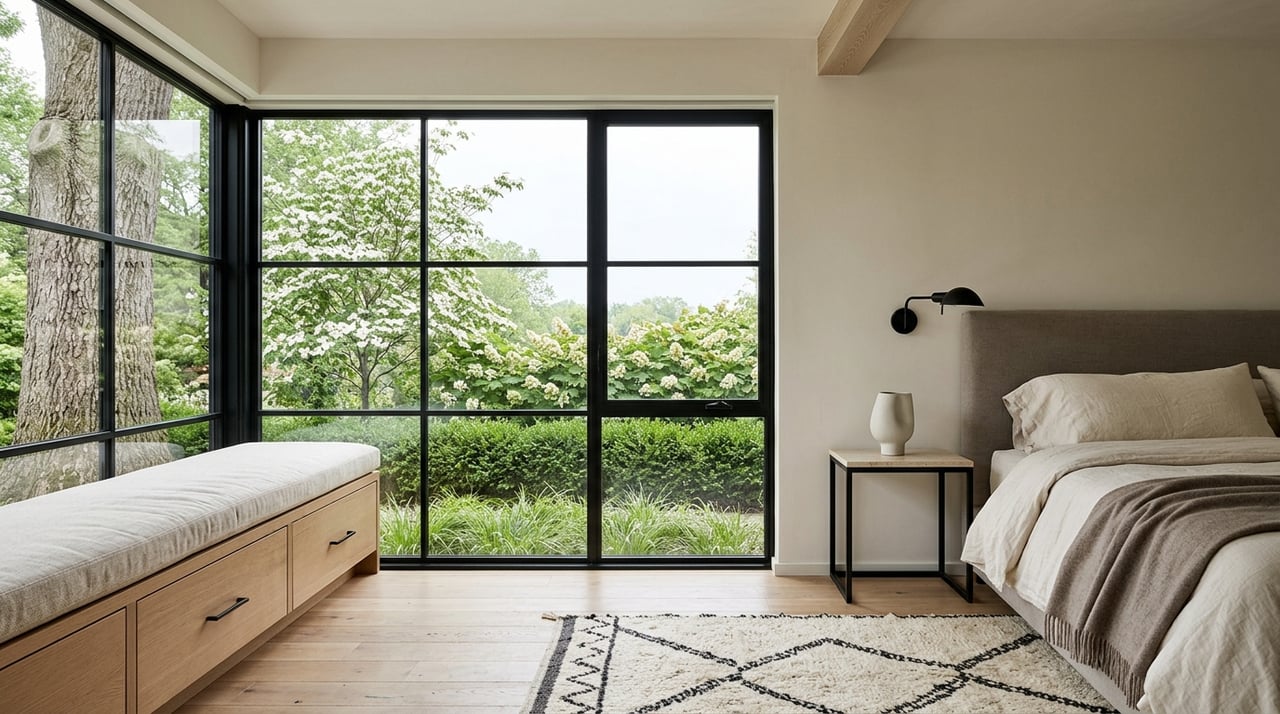
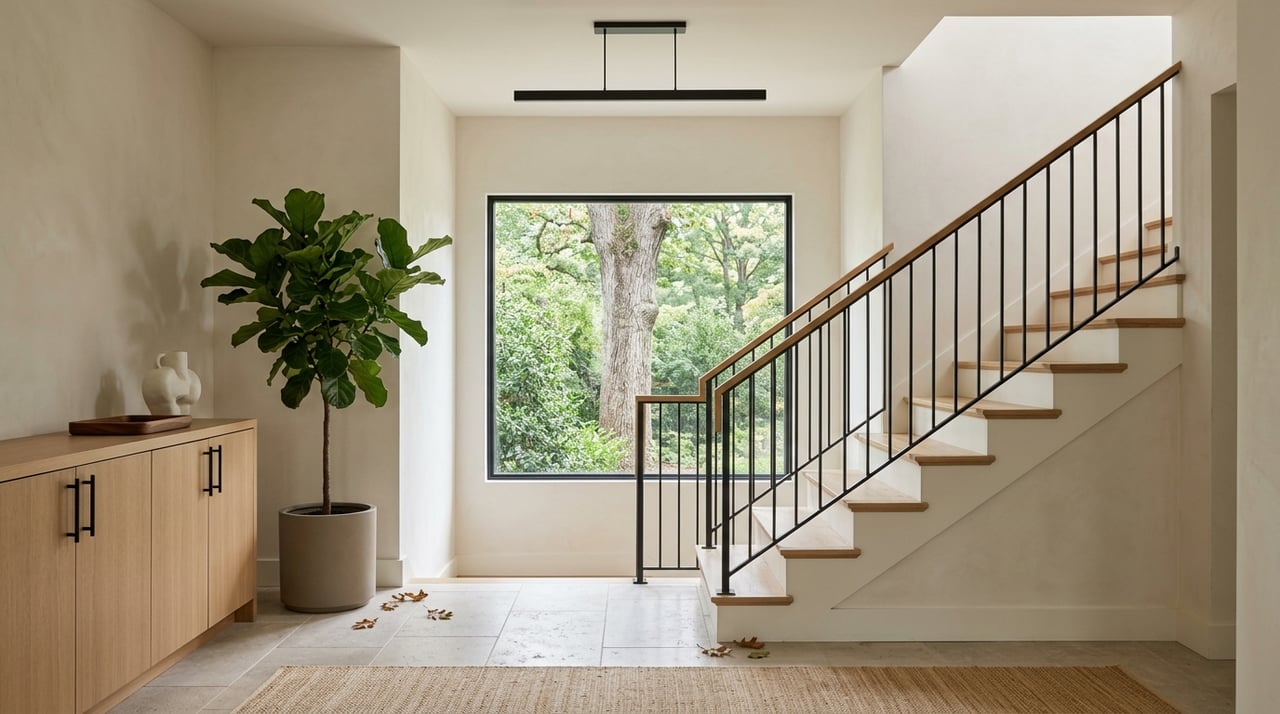
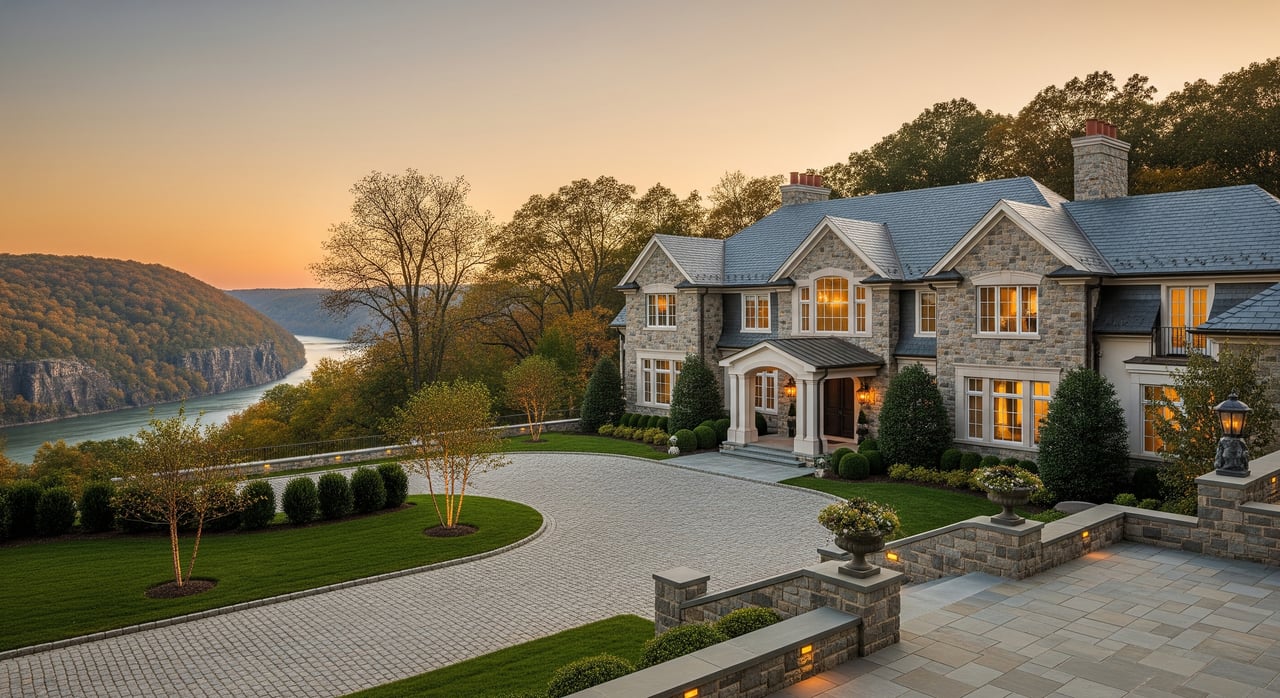
Great Falls is known for large-lot living and a wide range of high-end architecture. You will see both updated midcentury homes and newer custom builds.
What you will see
Architecture includes Colonial and Georgian, traditional brick or stone estates, modern and contemporary rebuilds, and farmhouse or Craftsman-influenced designs. Many newer projects are custom builds with open-plan layouts and high-end finishes.
Acreage and outdoor living
Lots commonly range from about one acre to multiple acres, often with mature trees and long private driveways. Outdoor living features are common, including pools, patios, screened porches, and outdoor kitchens. Some properties offer equestrian facilities or access to informal bridle paths.
Utilities and systems
On larger or more rural-feeling parcels, private wells and septic systems are common. During due diligence, confirm whether a property is on public water and sewer, and evaluate well and septic capacity and condition. Replacement and maintenance planning should be part of your budget.
- Septic system guidance: Fairfax County Health Department – Septic Systems
Buyers of large homes often prioritize modern HVAC, whole-home generators, and smart-home systems. If you plan renovations, consider power capacity and backup solutions early in your design plan.
Covenants, easements, and land use
Some subdivisions have HOAs with design standards, while others do not. Conservation easements, floodplain rules, and Fairfax County zoning can affect lot coverage, outbuildings, and potential subdividing. Ask your agent to coordinate a document review so you understand restrictions before you write an offer.
Pricing context
Great Falls is one of the higher-priced markets in Northern Virginia. Many homes sell above the one-million-dollar mark, with larger estates and riverfront parcels reaching multiple millions. Because prices shift with market conditions, rely on current local MLS data when you are ready to shop and offer.
Is Great Falls a fit for you?
Choose Great Falls if you want space, privacy, and daily access to trails and the Potomac. You will trade a more car-dependent lifestyle and variable commute times for large lots and a quiet setting. If your week needs quick access to Tysons and you want weekends that feel like a retreat, this balance often works well.
When you are ready to explore on the ground, connect with a local specialist. As a Great Falls-based brokerage with design-first marketing and deep neighborhood knowledge, Property Collective can help you test commutes, evaluate well and septic systems, navigate covenants and easements, and target the homes and lots that match your lifestyle. Schedule a Call and start your search with confidence.
FAQs
How long is the commute from Great Falls to Tysons in rush hour?
- Typical peak drive times often range from about 20 to 45 minutes, depending on your exact starting point, route, and traffic.
Where can I find current Great Falls Park hours and fees?
- Check the National Park Service page for updates, conditions, and fees: Great Falls Park.
Is there a Metro station in Great Falls?
- No. Most residents drive to Silver Line stations in Tysons or to Vienna/Fairfax–GMU on the Orange Line, then ride Metro.
Do most Great Falls homes have public water and sewer?
- It varies by property. Many large-lot homes use private wells and septic systems, so confirm utility type and system condition during due diligence.
Which schools serve addresses in Great Falls?
- Great Falls is served by Fairfax County Public Schools. Use the FCPS boundary locator to confirm the assigned schools for a specific address.
Are there rules for riverfront building or remodeling?
- Riverfront lots may be in flood zones and can have additional setbacks and permit steps. Start with FEMA flood maps, then confirm requirements with Fairfax County before planning work.