Is your Fairfax Colonial getting compared to shiny new builds with every showing? You are not alone. Many sellers love their home’s character but worry about buyer expectations for modern finishes, low maintenance, and turnkey presentation. The good news is you do not need a full gut renovation to compete. With the right updates, smart pricing, and on-point marketing, your Colonial can stand out for all the right reasons. Let’s dive in.
The Fairfax market is shifting
Northern Virginia is easing toward a more balanced landscape in 2026. The regional outlook calls for modest price growth, mid-single-digit mortgage rates, and a gradual rise in inventory, which gives buyers more options. That means presentation, selective improvements, and accurate pricing matter more than they did in the peak frenzy. You can set the right strategy by grounding your plan in the NVAR 2026 regional forecast.
New construction has also claimed a larger slice of available homes in recent years. Builders attract attention with incentives and modern systems, which draws many move-up buyers. When you position your Colonial, plan to highlight the advantages that new builds cannot match, while checking the boxes buyers expect from modern living. For context on how new inventory has shifted choices, see NAR’s coverage of new construction’s share of listings.
What buyers expect now
Current buyer preferences are clear. Research shows shoppers prioritize a functional layout with some openness between kitchen and living areas, a kitchen and baths that feel refreshed, and energy-efficient systems that help control costs. They also value flexible rooms for work or guests, as well as usable outdoor space. You can use these signals from the NAHB’s buyer survey to plan updates that resonate with today’s audience. Explore the highlights in What Home Buyers Really Want.
Older Fairfax Colonials often have unique strengths. Mature trees, privacy, larger lots, and established neighborhoods can be powerful differentiators compared with many new subdivisions. Your goal is to pair that character with the right modern touches so buyers see your home as “classic and turnkey” instead of a project.
High-impact updates that pay off
National cost-versus-value research consistently places exterior improvements and modest interior refreshes at the top of the ROI list. Big, upscale gut jobs tend to return less at resale. Use the 2025 Cost vs. Value report as a guide when deciding where to invest.
Curb appeal package
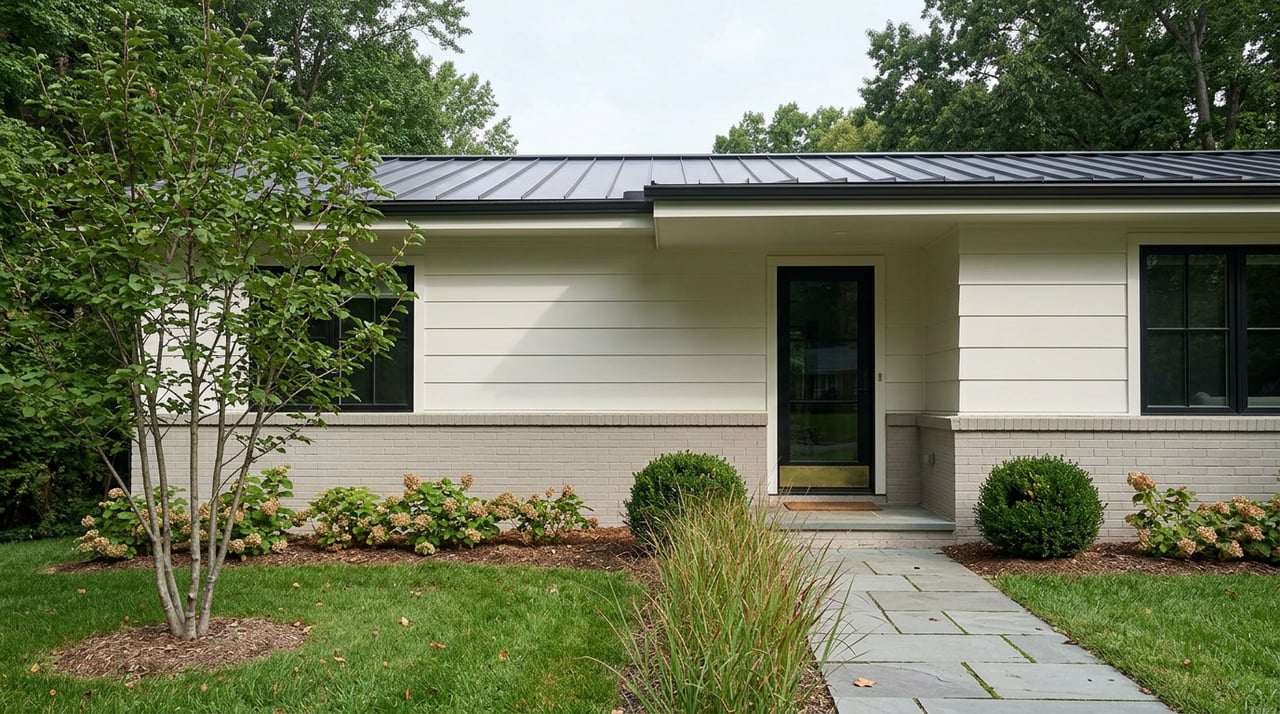
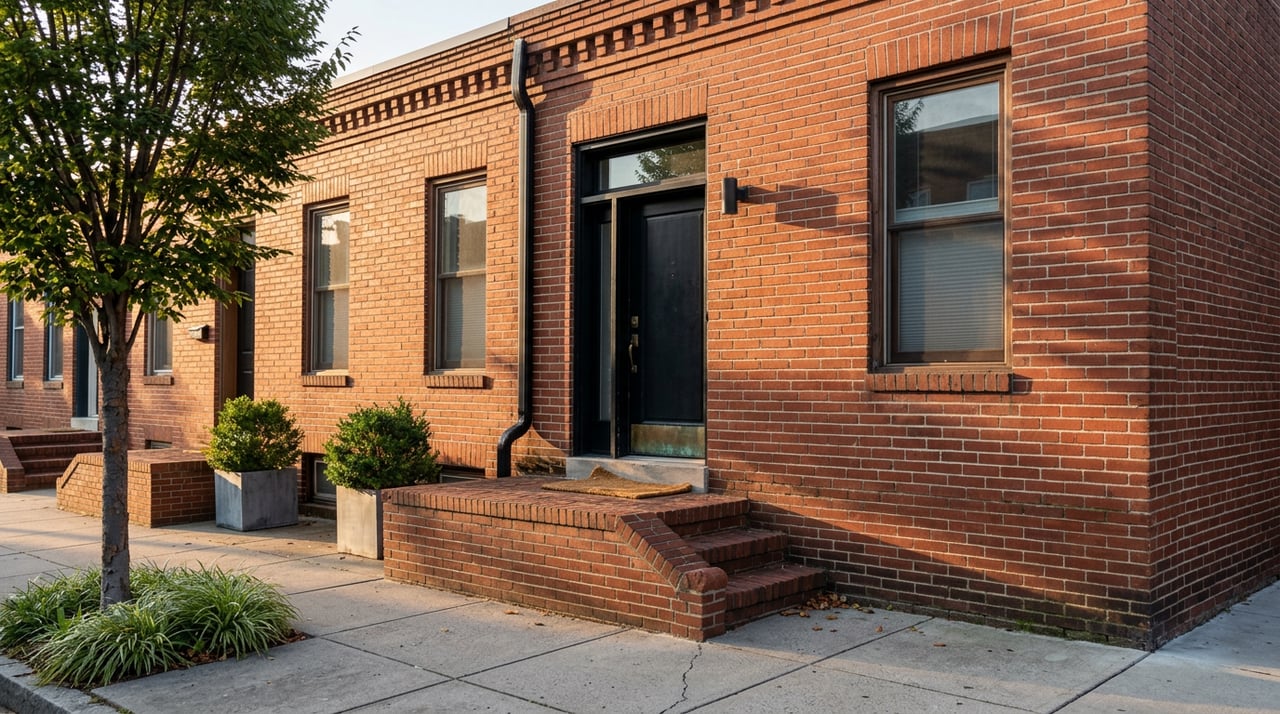
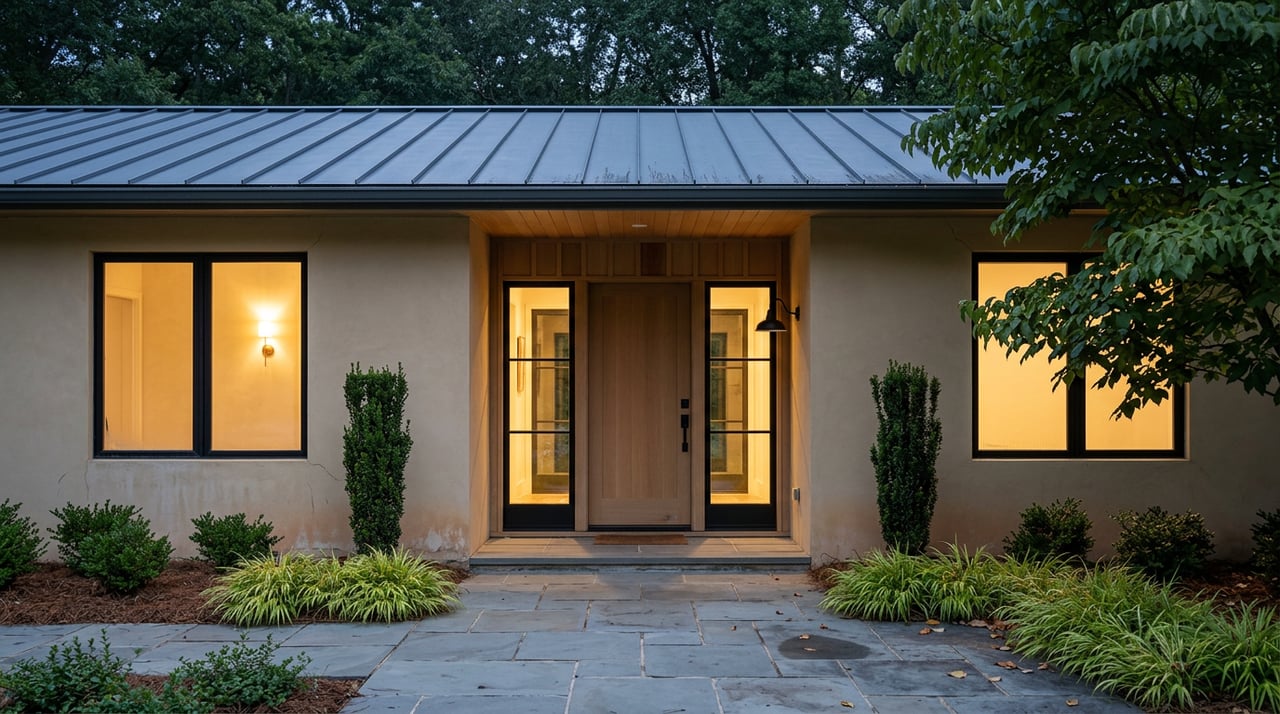
First impressions sell. Consider a new front door, a clean-lined garage door, pressure-washing, refreshed house numbers, and tidy planting. These changes are relatively affordable and visually dramatic. The Cost vs. Value benchmarks rank entry and garage door replacements among the strongest performers.
Minor kitchen refresh
Buyers judge homes by the kitchen, but you do not need a full remodel. Focus on cabinet paint or refacing, updated hardware, a midrange countertop like quartz, a statement light over the island, and targeted appliance swaps. A “minor” kitchen project typically recoups far more than a major gut job at resale according to Cost vs. Value data. As ballpark guidance, a light refresh often falls in the $15,000 to $40,000 range, depending on scope and selections. Always get local bids before deciding.
Main bath cosmetics
Small changes can make an older bath feel current. Replace aging fixtures, reglaze a dated tub or swap a surround, update the vanity top and mirror, and choose simple, modern lighting. The goal is fresh and clean rather than custom luxury.
Paint, lighting, and declutter
A cohesive paint plan in soft neutrals, consistent trim color, and simple modern lighting make spaces feel brighter and larger. Decluttering and strategic staging bring that effort to life. NAR’s research shows staging can boost buyer engagement and shorten days on market, which is especially helpful when buyers can also pick a new build. Get the highlights from NAR’s report on staging and sale outcomes. As a ballpark, whole-house interior paint often ranges from $3,000 to $8,000, based on size and condition.
Flooring where it counts
If you have original hardwoods, refinish them. Where carpet is worn, consider replacing with a consistent, midrange wood or engineered option in main living areas. Keep finishes neutral to appeal to a broad audience.
Energy and systems
Modern, efficient systems reduce operating costs and increase buyer confidence. If your windows, HVAC, or insulation are aging, targeted updates can help close the gap with new construction. NAHB reports that energy efficiency ranks high on buyer wish lists, which means visible system improvements can be persuasive. See the priorities outlined in What Home Buyers Really Want.
Layout tweaks, permits, and what to skip
Open sightlines with minimal demo
You can often improve flow without losing character. Removing or reducing short, non-load-bearing partitions between the kitchen and dining or family room can create better visual connection while preserving original millwork and fireplaces. If electrical, plumbing, or HVAC are affected, permits are typically required in Fairfax. Confirm what triggers a permit using the county’s guide, Does My Project Require a Permit?. For perspective on costs where structural work is considered, review the HomeAdvisor guide on removing load-bearing walls and then obtain local estimates.
Improve function, keep charm
Before a footprint change, rework the kitchen triangle with updated appliance placement, brighter task lighting, and selective open shelving. These are effective, lower-disruption moves that keep the home’s DNA intact.
Add or stage key rooms
Flexibility sells. If you have an extra room on the main level, stage it as a home office or guest space. Where plumbing access allows, a compact powder room can be a smart addition for daily convenience and for attracting downsizers who prioritize main-level amenities. Always confirm permit requirements in Fairfax before building or moving fixtures.
Projects to avoid pre-listing
Large additions, second-story expansions, and full gut kitchens rarely return full cost right before a sale and can delay your listing timeline. If buyers need help visualizing potential, use virtual renderings or staged concepts rather than committing to expensive construction. The Cost vs. Value report supports prioritizing targeted, cosmetic scopes for resale.
Presentation that rivals a model home
Stage and photograph with intention
Turnkey presentation narrows the advantage of new construction. Professional staging, high-end photography, and a 3D tour or measured floor plan help buyers understand flow and scale before they ever step inside. According to NAR’s staging report, staging can influence offers and reduce time on market. Treat your listing week like a product launch.
Prove the home’s value
Create a clean, one-page updates sheet that lists roof age, HVAC replacements, water heater, electrical panel updates, window replacements, and any recent warranty-backed work. New-build shoppers pay for predictability. When you show thoughtful stewardship and documented maintenance, it builds trust.
Tell the right story
Lead with character plus convenience. Your headline and first photo should highlight original millwork or a fireplace alongside refreshed kitchens and baths. In your description, emphasize mature landscaping, privacy, and proximity to parks, retail, and commuter routes. Help buyers picture a lifestyle that many new subdivisions cannot offer.
Pricing and negotiation playbook
Price to current local comparables, including both recent sales and on-market competition. New builds often carry a premium for “new” and for builder warranties. You can either justify parity by showcasing updates and systems or position slightly below comparable new homes while emphasizing lot size, trees, and character. The NVAR regional outlook points to modest price growth, which makes overpricing risky.
When negotiating against builder incentives, consider non-price terms that matter to buyers. Flexible closing timing, a modest closing-cost credit, or addressing key inspection items can be more cost effective than major pre-listing renovations. Your agent can benchmark the best approach based on active competition.
Quick timeline and contractor checklist
Use this simple plan if you want to list in the next 6 to 10 weeks:
- Week 1: Walk the property with your agent to prioritize scope. Gather service records for roof, HVAC, water heater, and major appliances. Book painters and a handyman.
- Weeks 2–3: Complete interior paint, lighting swaps, and curb appeal refresh. Order counters or appliances if part of a minor kitchen update.
- Weeks 3–5: Finish kitchen and bath cosmetics. Complete deep clean and declutter. If system work or wall changes are in scope, confirm permits through Fairfax County Land Development Services and build in inspection time.
- Week 5: Staging installation and landscaping touch-ups.
- Week 6: Professional photography, 3D tour, floor plan, and listing copy.
- Launch: Go live with a strong first weekend plan and an updates sheet that documents recent improvements.
Contractor tips:
- Get two to three bids for any substantive work and ask each contractor to include permit handling and a milestone schedule.
- Choose neutral, durable materials that read cohesive across rooms.
- Build in contingency days since older homes can reveal surprises.
Your Fairfax Colonial, positioned to win
Your home does not need to mimic a new build to compete with it. When you lead with curb appeal, a refreshed kitchen and baths, clean paint and lighting, and design-first staging, buyers will focus on your home’s mature lot, charm, and move-in readiness. Pair that with a pricing and negotiation plan that reflects the current Fairfax market, and you have a winning strategy.
If you want a seamless, design-forward process that maximizes both price and speed, our in-house staging and marketing team is here to help. From curated updates and professional media to targeted digital reach, Property Collective delivers polished presentation and disciplined execution that move the needle.
FAQs
How can my Fairfax Colonial compete with builder incentives?
- Emphasize what builders cannot replicate easily, like mature trees, privacy, and location, then pair that with selective updates, clean staging, and flexible terms such as a modest closing credit or customized timing.
Which pre-listing updates offer the best ROI in Fairfax?
- National benchmarks point to curb appeal upgrades, a minor kitchen refresh, bath cosmetics, paint, and lighting as top performers, with data summarized in the Cost vs. Value report.
Do I need a permit to remove a wall in Fairfax County?
- Interior alterations that affect walls, plumbing, electrical, or HVAC typically require permits, while cosmetic replacements often do not. Confirm details with Fairfax County’s permit guidance before starting work.
Are energy-efficiency upgrades worth it for resale?
- Many buyers prioritize efficient windows, modern HVAC, and smart thermostats, which can improve comfort and reduce operating costs. NAHB’s buyer research highlights energy efficiency as a consistent preference.
Should I price below nearby new construction?
- It depends on your updates and lot advantages. If you match buyer priorities and document major system investments, pricing near comparable new builds can be justified. Otherwise, position just below while highlighting character, landscaping, and location.
What staging and media should I invest in?
- Professional staging, high-quality photography, and a 3D tour or floor plan help your Colonial feel as turnkey as a model home. NAR’s staging research shows these investments can influence offers and days on market.